
周庭さんが投げかけた問い|職場の褒め言葉とDEIを学ぶビジネス英語教材
周庭さんの「いいお嫁さんになれますね」発言を題材にしたビジネス英語学習教材。外資系のDEI文脈で使える語彙・表現・面接対策を、英語学習者向けに体系的に解説します。

AIエンジニア / IT歴36年以上・海外在住13年以上のCEFR B1英語学習者
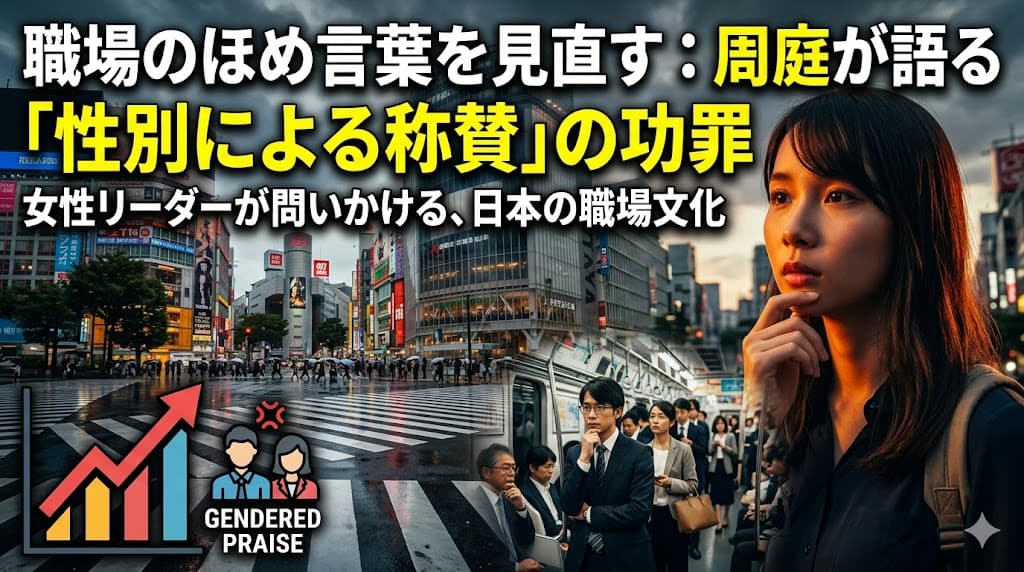
Rethinking Workplace Compliments: Agnes Chow's Commentary on Gendered Praise in Japan
「いいお嫁さんになれますね」に違和感を覚えた周庭さんの発言を題材に、外資系職場で使えるDEI英語表現と無意識のバイアスへの対応力を磨きます。
Part 1: 読む → 要約する
Step 1: Pre-Reading — ビジネスの文脈で考える (3 min)
シーン設定: あなたは外資系企業の東京オフィスに勤務しています。今週の DEI(Diversity, Equity & Inclusion)チームミーティングで、海外本社から「日本オフィスにおける無意識のバイアス(unconscious bias)の事例」を共有してほしいと依頼されました。最近 SNS で話題になった、日本のテレビ番組での「褒め言葉」をめぐる議論を取り上げることにしました。
Q1. In your workplace, what kinds of compliments have you heard that might unintentionally reinforce gender stereotypes? 職場で、意図せずジェンダーの固定観念を強めてしまうような褒め言葉を聞いたことはありますか?
Q2. Why do you think some compliments feel positive in one culture but uncomfortable in another? ある文化では好意的に受け取られる褒め言葉が、別の文化では不快に感じられるのはなぜだと思いますか?
Q3. How should multinational companies handle cultural differences around workplace communication? 多国籍企業は、職場でのコミュニケーションに関する文化的な違いをどのように扱うべきだと思いますか?
Step 2: First Reading — 全体を把握する (10 min)
以下の英文は、ニュース記事の事実をもとに作成したビジネスシナリオ文書です。実際の職場でこのような文書を読む場面を想像しながら、英文を読み進めましょう。
INTERNAL BRIEFING MEMO
To: Tokyo Office DEI Working Group From: Sarah Chen, Regional Head of People & Culture (APAC) Date: April 28, 2026 Subject: Update on Gender-Coded Language in Japanese Media — Discussion Item for May Town Hall
1. Background
On April 27, 2026, Hong Kong democracy activist Agnes Chow, currently studying in Canada, posted a message on X questioning a common phrase used on Japanese television. The phrase, often translated as "You will make a good wife," is frequently directed at unmarried women as a form of praise. Her post drew significant attention, generating more than 3,700 comments on a major Japanese news platform within hours.
Chow argued that not everyone wishes to marry, and that a person's value should not be tied to marital status. She also pointed out that the definition of a "good wife" is rarely questioned, and suggested that more direct compliments — such as "You are a good cook" or "Your room is tidy" — would be more respectful of individual choice.
2. Why This Matters for Our Tokyo Office
While this is a public discussion in the media, the underlying issue is directly relevant to our workplace. Several employees in recent engagement surveys have noted that well-intentioned remarks about marriage, household skills, or family roles can feel uncomfortable, particularly for younger staff and non-Japanese team members. Chow herself observed that similar expressions exist in Hong Kong but are now mostly used by older generations.
3. Recommended Actions
We propose the following steps for the Tokyo office:
- (a) Awareness session (May 15): A 45-minute workshop reviewing examples of gender-coded compliments and suggesting neutral alternatives.
- (b) Manager guidance note: A one-page reference document for team leaders, focusing on performance-related praise rather than personal or domestic traits.
- (c) Feedback channel: An anonymous form for employees to flag language concerns, reviewed monthly by the DEI committee.
4. Next Steps
Please review this memo and share initial feedback by May 5. The DEI committee will finalize materials by May 10, ahead of the company-wide town hall on May 22.
Thank you for your continued partnership on building an inclusive workplace.
Data sourced from: J-CAST News — "周庭さん「本当に訳がわからない」 日本のテレビ番組の「褒め言葉」に疑問" (April 27, 2026)
Note: The above is an original business scenario created for learning purposes using publicly available facts. Please read the original article at the link above for the full report.
関連: 外資系で「単語は通じるのに伝わらない」を変える―異文化理解とビジネス英語の鍛え方 で詳しく解説しています。
Step 3: Comprehension Check — 内容確認 (5 min)
Q1. Who posted the original message that this memo refers to, and where is she currently based? このメモが言及している投稿をしたのは誰で、現在どこに住んでいますか?
Q2. What specific Japanese phrase did she question, and why? 彼女はどの日本語のフレーズに疑問を呈し、その理由は何でしたか?
Q3. What alternative compliments did she suggest people use instead? 代わりにどのような褒め言葉を提案しましたか?
Q4. What three concrete actions does the memo recommend for the Tokyo office? メモは東京オフィスに対してどのような3つの具体的なアクションを推奨していますか?
Q5. What is the deadline for sharing initial feedback on the memo? メモへの初期フィードバックを共有する期限はいつですか?
関連: 文化的知能(CQ)とは?外資系で通じる人がやっているAI時代のビジネス英語術 で詳しく解説しています。
Step 4: 30-Second Briefing — 上司に30秒で説明する (10 min)
シーン設定: エレベーターで上司(外国人マネージャー)に「I heard there's some news about gender-coded compliments in Japan — what's it about?」と聞かれました。30秒で要点を説明してみましょう。
| Framework | Template |
|---|---|
| ① What happened | A Hong Kong activist named Agnes Chow recently questioned a common Japanese phrase, "You will make a good wife," on social media. |
| ② Why it matters | Her post got over ___________ comments because it raised a wider debate about ___________ in everyday compliments. |
| ③ Key argument | She argued that a person's value shouldn't be tied to ___________, and suggested using more ___________ compliments instead. |
| ④ Business relevance | For multinational teams, this reminds us to be aware of ___________ when giving feedback or making small talk at work. |
💡 Tip: 元記事の表現をそのまま暗記するのではなく、自分の言葉で言い換える(paraphrase する)練習をしましょう。例えば "make a good wife" → "be a good housewife" のように、より中立的な表現に置き換えると、英語での説明が自然になります。
Part 2: 語彙・表現・発音
1. reinforce (v.) — 強化する、補強する
Example: Casual remarks at work can unintentionally reinforce outdated gender stereotypes. 職場での何気ない発言が、意図せず古いジェンダーの固定観念を強化してしまうことがあります。
外資系シーン: DEI 研修や 1-on-1 のフィードバックで、「ある行動や発言が特定の価値観を補強する」という文脈で頻出します。"This policy reinforces our commitment to inclusion." のように使います。
2. unintentionally (adv.) — 意図せずに、無意識に
Example: Many compliments are unintentionally tied to traditional gender roles. 多くの褒め言葉は、無意識のうちに伝統的なジェンダーの役割と結びついています。
外資系シーン: "unconscious bias"(無意識のバイアス)と並んでよく登場する単語です。ミスや問題を説明する際に、「悪意はなかった」というニュアンスを丁寧に伝えられます。
3. tied to (phrase) — 〜と結びついている
Example: A person's professional value should not be tied to their marital status. 人の職業上の価値は、その人の結婚の有無と結びつけられるべきではありません。
外資系シーン: 評価制度や報酬の説明で "Bonuses are tied to individual performance." のように、「〜に連動する」という意味で頻繁に使われます。
4. neutral (adj.) — 中立的な、当たり障りのない
Example: Using neutral language helps create a more inclusive workplace. 中立的な言葉遣いをすることで、よりインクルーシブな職場を作ることができます。
外資系シーン: "gender-neutral language" や "neutral feedback" など、客観性や公平性を強調したいときに使います。プレゼンや議事録の表現を選ぶ際にも便利です。
5. flag (v.) — 指摘する、問題提起する
Example: Employees can flag inappropriate language through an anonymous feedback channel. 社員は匿名のフィードバックチャネルを通じて、不適切な言葉遣いを指摘することができます。
外資系シーン: Slack やメールで "I'd like to flag a concern about..." と切り出すと、丁寧かつプロフェッショナルに問題を提起できます。"raise" や "point out" よりやや軽く、議論を始めやすい表現です。
Fill-in-the-blank Exercise
次の文の空欄に、上の語彙から最も適切なものを選んで入れてください。
1. The new training program is designed to ___________ our company's values of respect and inclusion.
2. She ___________ caused offense by using an outdated expression during the meeting.
3. Career growth at our firm is closely ___________ ___________ measurable performance, not personal background.
4. Could you ___________ this issue with HR so we can address it in the next review cycle?
解答: 1. reinforce / 2. unintentionally / 3. tied to / 4. flag
Part 3: 自分の意見を述べる
Topic A. Do you think workplaces should actively avoid gender-related compliments, even if they are well-intentioned? たとえ善意であっても、職場ではジェンダーに関連する褒め言葉を積極的に避けるべきだと思いますか?
Topic B. Agnes Chow suggested replacing "You will make a good wife" with more direct compliments like "You are a good cook." Do you agree this is an improvement, or do you see any drawbacks? 周庭さんは「いいお嫁さんになれますね」を「料理が上手ですね」のような直接的な褒め言葉に置き換えることを提案しました。これは改善だと思いますか、それとも何か欠点があると思いますか?
Topic C. Some commenters argued that cultural traditions should be respected rather than changed. How do you balance respect for tradition with the need for inclusivity in international workplaces? 文化的な伝統は変えるよりも尊重すべきだと主張するコメントもあります。国際的な職場において、伝統の尊重とインクルーシビティの必要性のバランスをどう取りますか?
Useful Phrases for Discussion
| English | 日本語 |
|---|---|
| I see the point, but I'd like to add another perspective. | おっしゃることは分かりますが、別の視点も加えたいです。 |
| It depends on the context and the relationship between the speakers. | 文脈や話し手同士の関係によります。 |
| What may be acceptable in one culture can feel uncomfortable in another. | ある文化で受け入れられることが、別の文化では不快に感じられることもあります。 |
| I think there's a middle ground here. | この件については中間的な立場があると思います。 |
| To put it simply, the issue isn't the words themselves but the assumptions behind them. | 簡単に言うと、問題は言葉そのものではなく、その背後にある前提です。 |
Part 4: 面接対策 — 外資系で差をつける
Mock Interview Scenarios
Scenario A — Behavioral Question Interviewer: "Tell me about a time when you had to address a sensitive cultural issue at work. How did you handle it?" ヒント: STAR メソッド(Situation, Task, Action, Result)で構成し、自分の判断と学びを明確に伝えましょう。
Scenario B — Values & Culture Fit Interviewer: "How do you contribute to building an inclusive team environment?" ヒント: 抽象論ではなく、自分が実際に取った具体的な行動を1〜2 例挙げると説得力が増します。
Scenario C — Opinion Question Interviewer: "Some people argue that cultural traditions shouldn't change, while others say workplaces must evolve. What's your view?" ヒント: 両側の論点を簡潔に紹介してから自分の立場を述べると、バランスの取れた回答になります。
Common Mistakes (NG Patterns)
❌ NG 1: 一方的な断定
- Bad: "Japanese culture is just outdated and needs to change."
- Good: "Some traditional expressions may not fit today's diverse workplaces, and I believe we can update them while still respecting cultural roots."
- 解説: 文化を一方的に否定する表現は、外資系面接ではマイナス評価になりがちです。「尊重しつつ更新する」という建設的な姿勢を示しましょう。
❌ NG 2: 抽象的すぎる回答
- Bad: "I always try to be inclusive and respectful to everyone."
- Good: "When a colleague used a phrase that made a junior team member uncomfortable, I spoke privately with both of them and suggested a more neutral alternative."
- 解説: "always" や "everyone" のような抽象語に頼ると説得力が下がります。具体的なエピソードを用意しましょう。
❌ NG 3: 自分の意見を避ける
- Bad: "It depends on the situation, so I can't really say."
- Good: "It depends on the context, but in most professional settings I would lean toward using neutral language to avoid misunderstandings."
- 解説: "It depends" で終わらせず、自分の傾向や立場を必ず一言添えましょう。判断力を見られる質問では特に重要です。
❌ NG 4: 受け身すぎる表現
- Bad: "I was told to follow the company's DEI policy, so I did."
- Good: "I actively supported the company's DEI policy by suggesting practical examples for our team's communication guidelines."
- 解説: 受け身の表現は主体性の欠如と受け取られます。"actively," "proposed," "led" などの能動的な動詞を使いましょう。
活用のコツ(3 Tips)
1. 普段の会話の中で「無意識の前提」をチェックする習慣をつける。 ニュースを読んだら、自分が職場で使っている表現にも似た前提が隠れていないか、その日のうちに1つだけ見直してみましょう。小さな気づきが英語での説明力にもつながります。
2. 「言い換え(paraphrase)」を3パターン用意する。 今回の "You will make a good wife" のように、英語に訳しにくい日本語表現は、外国人同僚への説明で頻繁に登場します。直訳・意訳・中立表現の3パターンを準備しておくと、会議でとっさに対応できます。
3. ニュース記事を「自分の業界の文脈」に置き換えて読む。 今回の DEI トピックを、自分が所属する業界(金融・製造・IT など)の事例に当てはめて考えてみてください。記事の内容を自分の仕事に紐づけることで、面接や 1-on-1 で使える具体例が自然に蓄積されていきます。
Bonus: プロナビレッスンでの活用法
レッスン前 (20 min)
記事の元情報(日本語)に目を通したうえで、Step 1 の Pre-Reading 質問に自分なりの答えを英語で書き出してみましょう。Step 2 の英文は声に出して2回読み、知らない単語は Part 2 の語彙リストで確認します。Step 3 の Comprehension Check は答えだけでなく、根拠となる英文の箇所もメモしておくと、レッスン中の議論がスムーズになります。
レッスン中 (25 min)
最初の5分で Step 4 の 30-Second Briefing をコーチに披露し、フィードバックをもらいます。次の10分で Part 3 の Discussion Topics から1〜2 個を選び、コーチと意見交換しましょう。残り10分は Part 4 の Mock Interview Scenarios のうち1つをロールプレイ形式で実施し、NG Patterns に該当しそうな箇所を指摘してもらいます。
レッスン後 (15 min)
レッスン中に指摘された言い換えや表現を、自分専用の「使えるフレーズ集」にまとめましょう。Part 2 の Fill-in-the-blank Exercise を時間を空けて再度解き直し、定着度を確認します。最後に、今回の記事と関連するニュースを1つ自分で探し、同じフレームワーク(事実 → 意見 → ビジネスへの示唆)で要約してみると、学習効果が大きく伸びます。
英語学習や外資系転職についてのご相談は、PronuNavi の free consultation までお気軽にお問い合わせください。
参考・出典
この記事を書いた人
サイト運営・日本語サポート担当 / AIエンジニア
- ●東京都出身・海外在住13年以上
- ●IT歴36年以上(開発・SEO・AI)
- ●IBM認定 生成AIエンジニア
- ●CEFR B1の英語学習者(今も学習中)
外資系の現場で「英語が話せず評価が伸びない」苦しさを経験し、海外移住後も印刷所で「copy」が通じないような発音の壁に何度もぶつかってきました。今もプロ講師の指導を受けながら学習を続ける一人として、AI時代でも英語で悩む日本人ビジネスパーソンに向けて、現場目線で記事を書いています。日本語でのご相談やお問い合わせも私が担当します。
関連記事
GMO在宅勤務「完全廃止」を英語で説明する|ニュースで学ぶビジネス英語教材
GMOの在宅勤務「完全廃止」ニュースを教材化。英文社内メモの読解、上司への30秒説明、頻出語彙、面接想定問答まで収録し、働き方トレンドを語れるビジネス英語力を鍛えます。無料の英語学習教材です。
2026/7/14

三菱UFJが時価総額首位に|40年ぶりの「金融復権」を英語で語るビジネス英語教材
三菱UFJが時価総額首位、1986年以来40年ぶりの金融復権。このニュースを教材に、市場・金利・株主還元を語るビジネス英語を学習。社内メモ読解、30秒要約、ディスカッション、外資系面接対策まで実践形式で身につく無料教材です。
2026/7/13

Apple対OpenAI訴訟で学ぶビジネス英語|営業秘密と情報管理を英語で語る実践教材
AppleによるOpenAI提訴のニュースを教材化。営業秘密・情報管理をテーマに、社内メモの読解、上司への30秒説明、重要単語、ディスカッション、面接対策まで実践的に学べるビジネス英語学習コンテンツ。外資系で働く日本人ビジネスパーソンの英語力を鍛えます。
2026/7/12
三菱自動車×東大発Highlandersのヒト型ロボット量産提携で学ぶビジネス英語教材
三菱自動車と東大発Highlandersのヒト型ロボット量産提携ニュースで学ぶビジネス英語教材。mass productionなど頻出語彙、30秒ブリーフィング、外資系面接対策まで実践的に学べる英語学習コンテンツです。
2026/7/11
OpenAI「ChatGPT Work」で学ぶビジネス英語|AIエージェント最新ニュース教材
OpenAIの「ChatGPT Work」とGPT-5.6を題材にしたビジネス英語学習教材。社内メモ読解や30秒ブリーフィング、面接対策を通じて、AI時代の職場で使える実践英語を身につけます。
2026/7/10
Grok 4.5で学ぶビジネス英語|AI最新ニュースで鍛える読解と要約力
話題のAIモデル「Grok 4.5」の英語ニュースを教材化。社内ブリーフィングメモの読解、要約、面接対策まで。最新テックニュースで実践的なビジネス英語を学びたい方へ。
2026/7/9