
米政府がIBMなど量子コンピューター9社に3200億円出資|ビジネス英語で学ぶ産業政策
米政府によるIBM等量子コンピューター9社への20億ドル出資を題材にしたビジネス英語学習教材。equity・subsidy等の重要語彙、要約練習、面接対策まで網羅。外資系で差がつく実践英語が身につきます。


AIエンジニア / IT歴36年以上・海外在住13年以上のCEFR B1英語学習者
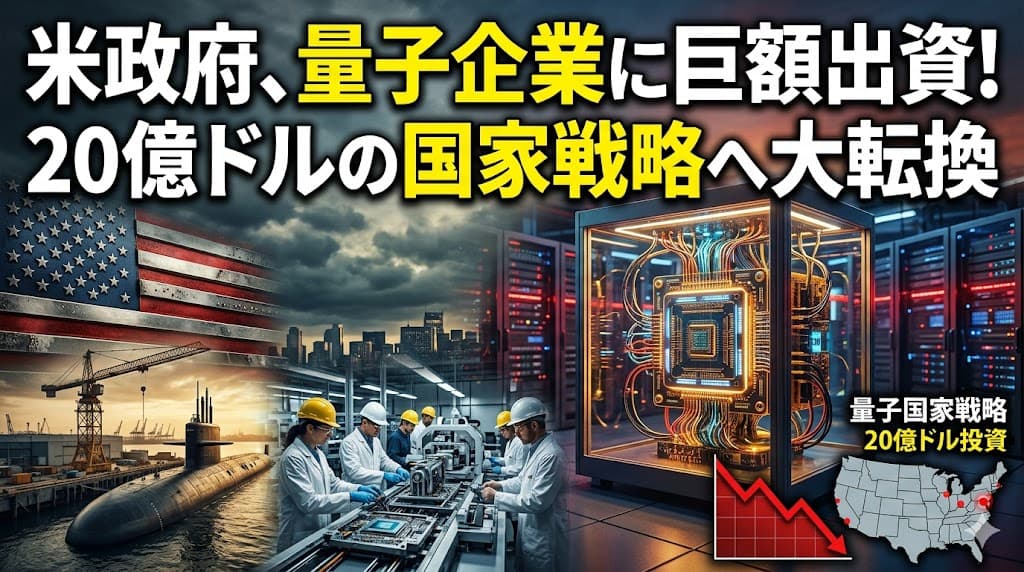
US Government Takes Equity Stakes in Quantum Computing Firms: A $2 Billion Industrial Policy Shift
トランプ政権による量子コンピューター企業への大型出資のニュースを題材に、株式・補助金・産業政策など外資系で必須のビジネス英語を実践的に学べる教材です。
Part 1: 読む → 要約する
Step 1: Pre-Reading — ビジネスの文脈で考える (3 min)
あなたは外資系テクノロジー企業の経営企画部に所属しています。今朝、米国政府が量子コンピューター関連企業9社に総額20億ドルを出資するというニュースが流れました。チームミーティングで、このニュースが自社の事業戦略・サプライチェーン・投資判断にどう影響するかを議論することになりました。
Q1: How do you think government equity investment in private tech companies might affect their long-term strategy? 政府が民間テック企業の株式を保有することで、企業の意思決定や戦略にどのような変化が起こると思いますか。
Q2: What industries in your country receive significant government support, and why? あなたの国で政府の手厚い支援を受けている産業は何ですか。その理由も考えてみましょう。
Q3: If your company received a large government subsidy in exchange for equity, what would be the biggest concern from a corporate governance perspective? もし自社が政府から株式と引き換えに大型補助金を受け取る場合、コーポレートガバナンスの観点で最も懸念されることは何でしょうか。
Step 2: First Reading — 全体を把握する (10 min)
以下の英文は、ニュース記事の事実をもとに作成したビジネスシナリオ文書です。実際の職場でこのような文書を読む場面を想像しながら、英文を読み進めましょう。
INTERNAL BRIEFING MEMO
To: Members, Global Strategy Committee From: Corporate Strategy & Government Affairs Division Date: May 22, 2026 Subject: US Government Equity Investment in Quantum Computing Sector — Implications for Our North America Strategy
1. Purpose
This memo summarizes a significant policy development announced on May 21, 2026, and outlines preliminary recommendations for our committee's discussion at next week's meeting. Immediate input is requested from the Semiconductor Business Unit and the M&A Review Team.
2. Key Facts
The US Department of Commerce has agreed to provide approximately USD 2 billion in subsidies to nine quantum computing companies in exchange for equity stakes. The funding is being disbursed under the CHIPS and Science Act, originally signed by former President Biden in 2022.
The largest single allocation, USD 1 billion, will go to IBM. According to IBM's press release, the company will combine this subsidy with USD 1 billion of its own capital to build a domestic foundry dedicated to quantum-purpose semiconductors. GlobalFoundries will receive USD 375 million to expand quantum hardware production. D-Wave Quantum, Rigetti Computing, and Infleqtion are each expected to receive USD 100 million, while the start-up Diraq has confirmed a smaller award of USD 38 million.
GlobalFoundries has clarified that the government's equity participation represents roughly 1% ownership and is structured as a separate agreement. D-Wave, Rigetti, and Infleqtion have indicated that their subsidies will be treated as direct equity investment.
3. Market Reaction
Share prices responded sharply on May 21. IBM rose more than 4.6% in morning trading, GlobalFoundries climbed approximately 12%, and the smaller players saw dramatic gains: D-Wave +27%, Rigetti +28%, and Infleqtion +42%.
4. Strategic Context
This move continues the federal government's recent pattern of taking equity positions in critical technology firms. Previous examples include the Department of Defense's stake in MP Materials (rare earths) and the government's 10% holding in Intel.
5. Recommended Action Items
Please review the attached competitive landscape brief and submit your preliminary views by Friday, May 29. We will need to assess potential impact on (a) our procurement contracts with US-based foundries, (b) joint research opportunities, and (c) any required disclosures to our compliance team.
Data sourced from: Forbes JAPAN — "米政府がIBMなど量子コンピューター関連9社に約3200億円出資、株価高騰" (2026.05.22)
Note: The above is an original business scenario created for learning purposes using publicly available facts. Please read the original article at the link above for the full report.
Step 3: Comprehension Check — 内容確認 (5 min)
Q1: What is the total amount of subsidies the US government is providing to quantum computing companies? 米国政府が量子コンピューター関連企業に提供する補助金の総額はいくらですか。
Q2: Under which law are these subsidies being disbursed, and who originally signed it? この補助金はどの法律に基づいて拠出されますか。また、誰が署名した法律ですか。
Q3: How will IBM use the USD 1 billion subsidy it receives? IBMは受け取る10億ドルの補助金をどのように使う予定ですか。
Q4: Which company saw the largest stock price jump after the announcement, and by how much? 発表後、最も大きく株価が上昇した企業はどこで、上昇率はどれくらいでしたか。
Q5: What other companies has the US government previously taken equity stakes in, and why? 米国政府は過去にどのような企業の株式を取得していますか。その理由も述べてみましょう。
Step 4: 30-Second Briefing — 上司に30秒で説明する (10 min)
エレベーターで上司に「あの量子コンピューターの政府出資の件、ざっくり教えてくれる?」と聞かれました。30秒で要点を伝えてください。
| Framework | Template (英語) | あなたの回答 |
|---|---|---|
| What (何が起きた) | The US government announced it will invest about ______ in ______ quantum computing companies. | |
| Who (主要プレーヤー) | The largest recipient is ______, which will receive ______, followed by ______. | |
| How (仕組み) | The funding comes from the ______ Act and is structured as ______ in exchange for equity. | |
| Impact (市場反応) | Stock prices surged — ______ rose 42% and IBM gained about ______. | |
| So what (示唆) | This shows that the US government is increasingly ______, which may affect ______. |
💡 Tip: 元記事の英語表現をそのまま使うのではなく、自分の言葉で言い換える(paraphrasing)練習をしましょう。例えば "take equity stakes" は "buy shares of" や "become a shareholder in" と言い換えられます。上司への報告では、専門用語を避けて誰でも理解できる平易な英語にすることがプロフェッショナルの証です。
Part 2: 語彙・表現・発音
1. equity (n.) — 株式、自己資本
Example: The government acquired equity in nine quantum computing companies in exchange for subsidies. 政府は補助金と引き換えに、9社の量子コンピューター関連企業の株式を取得しました。
外資系シーン: 投資家向け説明会や経営会議で、"private equity"(プライベート・エクイティ)、"equity stake"(持分)、"equity financing"(株式による資金調達)といった形で頻出します。財務・経営戦略の議論では必須の語彙です。
2. subsidy (n.) — 補助金、助成金
Example: GlobalFoundries will receive a USD 375 million subsidy to expand its manufacturing capacity. グローバルファウンドリーズは製造能力拡大のために3億7500万ドルの補助金を受け取る予定です。
外資系シーン: 政府渉外(Government Affairs)部門や政策分析の文脈で頻繁に登場します。"government subsidy"、"R&D subsidy"、"subsidy program" などの組み合わせで使われ、補助金関連の議論では欠かせない言葉です。
3. disburse (v.) — (資金を)支出する、分配する
Example: The funds will be disbursed under the CHIPS and Science Act over the next several years. 資金はCHIPSおよび科学法に基づいて、今後数年にわたって支出される予定です。
外資系シーン: 財務部門や経理部門で予算執行を語る際に使われます。"disburse funds"、"disbursement schedule"(支出スケジュール)といった表現で、フォーマルな書面や契約書でも頻出する単語です。
4. surge (v./n.) — 急騰する、急上昇する
Example: Infleqtion's stock surged 42% following the announcement. 発表を受けてインフレクションの株価は42%急騰しました。
外資系シーン: マーケット分析、決算説明、業績レポートで多用されます。"surge in demand"(需要急増)、"share prices surged"(株価が急騰した)など、ビジネスニュースでは毎日のように目にする表現です。
5. stake (n.) — 出資分、持分、利害関係
Example: The US government now holds a 10% stake in Intel. 米国政府は現在、インテルの10%の株式を保有しています。
外資系シーン: M&A、投資、事業提携の文脈で頻出します。"majority stake"(過半数の持分)、"minority stake"(少数持分)、"strategic stake"(戦略的出資)など、所有関係を語る場面で必須の語彙です。
Fill-in-the-blank Exercise
Q1: The startup received a government ______ of USD 38 million to scale up production. そのスタートアップは生産規模拡大のために3800万ドルの政府補助金を受け取りました。
Q2: Following the news, the company's share price ______ by more than 25%. ニュースを受けて、同社の株価は25%以上急騰しました。
Q3: The investment fund acquired a 15% ______ in the semiconductor manufacturer. その投資ファンドは半導体メーカーの15%の株式を取得しました。
Q4: The government plans to ______ the funds in three installments over two years. 政府は2年間にわたって3回に分けて資金を支出する予定です。
Part 3: 自分の意見を述べる
Discussion Topic A
Should governments take equity stakes in private companies when providing subsidies? What are the pros and cons? 政府は補助金を提供する際に民間企業の株式を取得すべきでしょうか。メリットとデメリットを考えてみましょう。納税者保護、企業の自律性、政治的影響などの観点から論じてみてください。
Discussion Topic B
How might Japan respond to the US's industrial policy on quantum computing? Should Japan adopt a similar approach? 量子コンピューターに関する米国の産業政策に対し、日本はどう対応すべきでしょうか。日本も同様のアプローチを採用すべきか、経済安全保障の観点から議論してみましょう。
Discussion Topic C
Quantum computing is still an emerging technology. Is it wise for governments to invest heavily before commercial viability is proven? 量子コンピューターはまだ黎明期の技術です。商業的実用性が証明される前に政府が大規模投資を行うのは賢明でしょうか。リスクとリターンの観点から考えてみてください。
| English | Japanese |
|---|---|
| In my view, the key issue here is... | 私の見方では、ここでの重要な論点は… |
| On the one hand... but on the other hand... | 一方では…しかし他方では… |
| I see the rationale behind this policy, but... | この政策の背景にある論理は理解できますが… |
| From a long-term perspective, this could... | 長期的な視点で見ると、これは…かもしれません |
| It depends on how you define success. | 成功をどう定義するかによります。 |
Part 4: 面接対策 — 外資系で差をつける
Mock Interview Scenario A
Interviewer (外資系コンサルティングファーム): "If you were advising a Japanese semiconductor company, how would you recommend they respond to this US government investment in quantum computing? Walk me through your reasoning."
日本の半導体企業のアドバイザーとして、米国政府の量子コンピューター投資にどう対応すべきか提案してください。論理展開を含めて回答しましょう。
Mock Interview Scenario B
Interviewer (外資系投資銀行): "The stock prices of these quantum computing companies surged dramatically. Do you think this rally is sustainable, or is it a short-term reaction? Defend your position."
これらの量子コンピューター企業の株価は劇的に急騰しました。この上昇は持続可能だと思いますか、それとも短期的な反応でしょうか。自分の立場を論理的に説明しましょう。
Mock Interview Scenario C
Interviewer (外資系テック企業の経営企画ポジション): "How do you assess the strategic risk of government becoming a shareholder in a private tech company? Give me both the upside and the downside."
政府が民間テック企業の株主になることの戦略的リスクをどう評価しますか。プラス面とマイナス面の両方を説明してください。
4 Common Mistakes (NG patterns)
NG 1: 結論を先に言わない
- ❌ Bad: "Well, the US government did many things, and there are nine companies, and IBM is one of them, and... I think it's interesting."
- ✅ Good: "I believe this represents a major shift in US industrial policy. Let me explain three key reasons why." 日本語的に背景から話し始めるのはNGです。英語面接では結論ファースト(PREP法:Point → Reason → Example → Point)が鉄則です。
NG 2: 数字を曖昧にしか言わない
- ❌ Bad: "The government invested a lot of money in many companies."
- ✅ Good: "The government invested approximately USD 2 billion across nine quantum computing companies, with IBM receiving the largest share at USD 1 billion." 「多くの」「たくさん」といった曖昧な表現は説得力を欠きます。具体的な数字を引用することで、あなたの分析力と準備の質が伝わります。
NG 3: 自分の意見を持たずに事実だけ述べる
- ❌ Bad: "The US government invested in IBM and other companies. That is what happened."
- ✅ Good: "While the investment may accelerate innovation, I'm concerned about the precedent it sets for government involvement in private sector R&D decisions." 事実の羅列だけでは面接で評価されません。「自分はどう考えるか」を必ず付け加え、批判的思考(critical thinking)を示しましょう。
NG 4: 専門用語に頼りすぎる、または逆に使わなさすぎる
- ❌ Bad: "It's a kind of money thing for tech companies." (専門用語不足)
- ❌ Bad: "The CHIPS Act-based subsidy disbursement via equity-linked tranches..." (専門用語過多)
- ✅ Good: "Under the CHIPS Act, the government is providing subsidies in exchange for equity — essentially becoming a shareholder." 業界用語は適切に使い、その上で平易な言葉で補足説明できることが、外資系で評価される「説明力」です。
活用のコツ(3 Tips)
1. 朝のニュースチェックを「英語インプット時間」に変える 毎朝5分でも英語の経済ニュース(Bloomberg、Reuters、Forbes など)に目を通す習慣をつけると、本日の記事のような最新トピックを英語で自然に語れるようになります。
2. 数字と固有名詞は必ず英語で覚える "USD 2 billion"、"CHIPS and Science Act"、"equity stake" のような数字や固有名詞は、日本語で覚えるよりも英語で直接インプットすることで、会議や面接で即座に引き出せる「使える知識」になります。
3. 自分の業界に引き寄せて考える癖をつける ニュースを読むときに「これが自社・自業界に与える影響は?」と常に問いかけることで、単なる情報収集ではなく戦略的思考のトレーニングになります。外資系で評価されるのは、ニュースを「自分ごと化」できる人材です。
Bonus: プロナビレッスンでの活用法
レッスン前 (20 min)
- Part 1のStep 1〜2を事前に読み、Pre-Readingの3つの質問への自分の答えを箇条書きでメモしておきましょう。
- Step 3のComprehension Check 5問に英語で回答を準備し、不明な語彙はPart 2で確認します。
- Part 3のDiscussion Topic A〜Cの中から、自分が特に関心のあるトピックを1つ選び、自分の立場と根拠を2〜3点用意しておきましょう。
レッスン中 (25 min)
- 最初の5分でStep 4の「30-Second Briefing」をコーチに実演し、要約力と発音のフィードバックを受けます。
- 続く10分でPart 2の語彙を使った例文づくりと、コーチとのロールプレイで実際の会議シーンを再現します。
- 残り10分でPart 3のディスカッションを行い、Useful phrasesを意識的に使いながら自分の意見を英語で展開する練習をします。
レッスン後 (15 min)
- レッスン中に指摘された発音・文法・表現の改善点を3つ書き出し、Part 4のMock Interview Scenarioを声に出して練習します。
- 元記事のURLにアクセスし、原文(または英語版の元記事)を読み、本日の語彙が実際にどう使われているかを確認しましょう。
- 自分の業界に引き寄せた「もし自社だったら」のシナリオを150〜200語で書き、次回レッスンでコーチに添削してもらう準備をします。
PronuNaviでは、こうした実際のビジネスニュースを教材にしたコーチングを提供しています。興味のある方は free consultation でお気軽にご相談ください。
参考・出典
この記事を書いた人
サイト運営・日本語サポート担当 / AIエンジニア
- ●東京都出身・海外在住13年以上
- ●IT歴36年以上(開発・SEO・AI)
- ●IBM認定 生成AIエンジニア
- ●CEFR B1の英語学習者(今も学習中)
外資系の現場で「英語が話せず評価が伸びない」苦しさを経験し、海外移住後も印刷所で「copy」が通じないような発音の壁に何度もぶつかってきました。今もプロ講師の指導を受けながら学習を続ける一人として、AI時代でも英語で悩む日本人ビジネスパーソンに向けて、現場目線で記事を書いています。日本語でのご相談やお問い合わせも私が担当します。
関連記事

GMO在宅勤務「完全廃止」を英語で説明する|ニュースで学ぶビジネス英語教材
GMOの在宅勤務「完全廃止」ニュースを教材化。英文社内メモの読解、上司への30秒説明、頻出語彙、面接想定問答まで収録し、働き方トレンドを語れるビジネス英語力を鍛えます。無料の英語学習教材です。
2026/7/14

三菱UFJが時価総額首位に|40年ぶりの「金融復権」を英語で語るビジネス英語教材
三菱UFJが時価総額首位、1986年以来40年ぶりの金融復権。このニュースを教材に、市場・金利・株主還元を語るビジネス英語を学習。社内メモ読解、30秒要約、ディスカッション、外資系面接対策まで実践形式で身につく無料教材です。
2026/7/13
Apple対OpenAI訴訟で学ぶビジネス英語|営業秘密と情報管理を英語で語る実践教材
AppleによるOpenAI提訴のニュースを教材化。営業秘密・情報管理をテーマに、社内メモの読解、上司への30秒説明、重要単語、ディスカッション、面接対策まで実践的に学べるビジネス英語学習コンテンツ。外資系で働く日本人ビジネスパーソンの英語力を鍛えます。
2026/7/12
三菱自動車×東大発Highlandersのヒト型ロボット量産提携で学ぶビジネス英語教材
三菱自動車と東大発Highlandersのヒト型ロボット量産提携ニュースで学ぶビジネス英語教材。mass productionなど頻出語彙、30秒ブリーフィング、外資系面接対策まで実践的に学べる英語学習コンテンツです。
2026/7/11
OpenAI「ChatGPT Work」で学ぶビジネス英語|AIエージェント最新ニュース教材
OpenAIの「ChatGPT Work」とGPT-5.6を題材にしたビジネス英語学習教材。社内メモ読解や30秒ブリーフィング、面接対策を通じて、AI時代の職場で使える実践英語を身につけます。
2026/7/10
Grok 4.5で学ぶビジネス英語|AI最新ニュースで鍛える読解と要約力
話題のAIモデル「Grok 4.5」の英語ニュースを教材化。社内ブリーフィングメモの読解、要約、面接対策まで。最新テックニュースで実践的なビジネス英語を学びたい方へ。
2026/7/9