
トリプル安を英語で説明する|為替・債券・株式市場のビジネス英語教材
中東情勢を背景とした円・債券・株のトリプル安をテーマに、為替介入や金利動向を英語で説明する力を鍛えるビジネス英語学習教材。外資系金融で使える実践的な英語表現を習得できます。


AIエンジニア / IT歴36年以上・海外在住13年以上のCEFR B1英語学習者
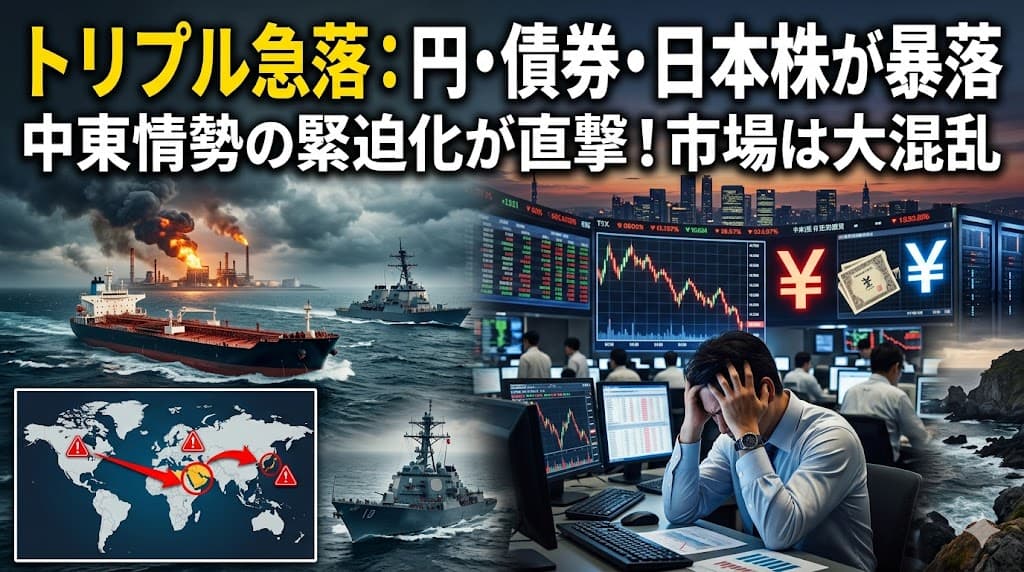
Japan's "Triple Decline": Yen, Bonds, and Stocks Slide on Middle East Turmoil
円安・債券安・株安が同時進行する「トリプル安」を題材に、外資系金融で通用する市場分析の英語表現とビジネス英会話を実践的に学べる教材です。
Part 1: 読む → 要約する
Step 1: Pre-Reading — ビジネスの文脈で考える (3 min)
シーン設定:あなたは外資系金融機関の東京支社に勤務しています。月曜日の朝、ロンドン本社とのチームミーティングで、先週末の東京市場の動きについて報告を求められました。本社のマネージャーは「Triple Decline(トリプル安)」という日本独特の現象に強い関心を示しています。
Q1: What does "triple decline" mean in the context of financial markets? ヒント:「円・債券・株」の3つが同時に下落する現象を、どう英語で説明しますか?
Q2: Why would tensions in the Middle East affect Japan's currency, bond, and stock markets all at once? ヒント:エネルギー輸入依存、貿易収支、地政学リスクの観点から考えてみましょう。
Q3: If you were advising a foreign client, how would you explain the role of currency intervention by Japanese authorities? ヒント:財務省・日銀の介入とは何か、なぜ「断固たる措置」という表現が使われるのかを整理しましょう。
Step 2: First Reading — 全体を把握する (10 min)
以下の英文は、ニュース記事の事実をもとに作成したビジネスシナリオ文書です。実際の職場でこのような文書を読む場面を想像しながら、英文を読み進めましょう。
INTERNAL BRIEFING MEMO
To: Global Markets Team, EMEA Desk From: Tokyo Macro Strategy Group Date: May 1, 2026 Subject: Tokyo Session Recap — Triple Decline Event (April 30) — Action Required
1. Executive Summary
Yesterday's Tokyo trading session produced a simultaneous sell-off across the yen, Japanese government bonds (JGBs), and equities — a "triple decline" driven by escalating Middle East tensions. We are issuing this memo to align desks ahead of the London open and to flag positioning adjustments for client portfolios.
2. Key Market Movements (April 30, close)
- FX: USD/JPY traded into the upper 160s intraday, the weakest yen level in approximately one year and nine months. The pair settled at 160.14–15 by 5:00 p.m. local time.
- Rates: The benchmark 10-year JGB yield touched 2.535%, the highest reading since February 1999 — roughly a 27-year peak.
- Equities: The Nikkei 225 closed at 59,284.92, down 632.54 points. Losses approached 1,000 points at the session's intraday low.
- Commodities: WTI crude futures spiked above USD 110 per barrel in after-hours trading on April 29 NYMEX, reflecting stalled U.S.–Iran negotiations.
3. Drivers
The dominant catalyst is concern that prolonged disruption to Middle East energy supply will widen Japan's trade deficit. As an energy-importing economy, Japan is structurally exposed. Secondary drivers include "safe-haven dollar buying" and market perception that the Bank of Japan is behind the curve on rate normalization, fueling JGB selling.
4. Policy Watch
Finance Minister Satsuki Katayama stated late on April 30 that "the timing for taking decisive action is approaching," signaling possible FX intervention. The yen briefly rallied into the 159 range on the comment.
5. Action Items
- Risk team to stress-test client books against a USD/JPY scenario through 165.
- Equity strategists to circulate a sector-impact note (energy importers vs. exporters) by EOD May 2.
- Sales coverage to schedule client calls on intervention risk this week.
Please direct questions to the Tokyo Macro desk.
Data sourced from: 時事通信 — "中東情勢混迷でトリプル安 円160円台後半、株も下落―原油急騰、長期金利2.535%・東京市場" (2026年4月30日)
Note: The above is an original business scenario created for learning purposes using publicly available facts. Please read the original article at the link above for the full report.
Step 3: Comprehension Check — 内容確認 (5 min)
Q1: What three asset classes declined simultaneously in the Tokyo market on April 30? ヒント:「triple decline」が指す3つの市場を答えましょう。
Q2: How significant is the 2.535% level for the 10-year JGB yield in historical terms? ヒント:何年ぶりの水準かを確認しましょう。
Q3: According to the memo, why is Japan structurally vulnerable to Middle East tensions? ヒント:エネルギーと貿易収支の関係を整理しましょう。
Q4: What did Finance Minister Katayama suggest in her statement, and how did the market react? ヒント:「decisive action」という言葉と、その後の円相場の動きに注目してください。
Q5: What three action items does the memo assign to internal teams? ヒント:リスク部門・株式戦略・営業の3つの担当を確認しましょう。
Step 4: 30-Second Briefing — 上司に30秒で説明する (10 min)
シーン設定:朝、エレベーターで偶然上司(イギリス人ディレクター)と一緒になりました。「I saw the Tokyo market had a rough day yesterday. Can you give me the gist?」と聞かれます。30秒で要点を伝えましょう。
| Framework | Template | あなたの一言 |
|---|---|---|
| Headline (5秒) | "Tokyo had a triple decline yesterday — the yen, bonds, and stocks all sold off." | _________________ |
| Numbers (10秒) | "USD/JPY hit the upper 160s, JGB yields rose to ____%, and the Nikkei lost ____ points." | _________________ |
| Cause (10秒) | "The main driver was ____ tensions, which pushed crude above $____ and raised concerns about Japan's trade deficit." | _________________ |
| Outlook (5秒) | "The Finance Minister hinted at intervention, so we're watching the ____ level closely." | _________________ |
💡 Tip — パラフレーズの工夫:原文の数字や固有名詞をそのまま読み上げるのではなく、「the weakest in nearly two years」「a 27-year high」のように、聞き手にとってのインパクトが伝わる言い換えを意識しましょう。数値の意味を文脈化することで、報告に深みが出ます。
Part 2: 語彙・表現・発音
1. intervention (n.) — 市場介入
- Example: The Finance Minister's comments raised expectations of imminent FX intervention.
- 訳: 財務相の発言により、為替介入が近いとの観測が高まりました。
- 外資系シーン: 為替部門・マクロ戦略レポートで頻出。「verbal intervention(口先介入)」「actual intervention(実弾介入)」の区別を意識すると一段上の使い方になります。
2. benchmark (n./adj.) — 指標、基準となる
- Example: The benchmark 10-year JGB yield rose to a 27-year high.
- 訳: 指標となる10年物日本国債の利回りが27年ぶりの高水準まで上昇しました。
- 外資系シーン: 債券、株価指数、業界KPIなど幅広く使われます。「benchmark against peers(競合と比較する)」のように動詞でも使用可能です。
3. exposed (adj.) — リスクにさらされている
- Example: As an energy-importing economy, Japan is structurally exposed to oil price shocks.
- 訳: エネルギー輸入国である日本は、構造的に原油価格ショックの影響を受けやすい状況にあります。
- 外資系シーン: リスク管理・ポートフォリオ会議で必須の語彙。「exposure to ~」という名詞形で「~へのエクスポージャー(リスク量)」を表します。
4. behind the curve (idiom) — 後手に回っている
- Example: Markets perceive that the Bank of Japan is behind the curve on rate normalization.
- 訳: 市場は、日銀が金利正常化において後手に回っていると見ています。
- 外資系シーン: 中央銀行の政策判断や経営判断の遅れを論じる際に頻出。逆は「ahead of the curve」で先見性を表します。
5. stress-test (v./n.) — ストレステストを行う
- Example: The risk team will stress-test client portfolios against a USD/JPY scenario through 165.
- 訳: リスク部門は、ドル円が165円まで進むシナリオを想定して顧客ポートフォリオのストレステストを実施します。
- 外資系シーン: リスク管理・規制対応で頻出。動詞でも名詞でも使え、「stress-test the assumptions(前提条件を厳しく検証する)」のように比喩的にも使えます。
Fill-in-the-blank Exercise
次の英文の空欄に、上記の語彙から最適なものを選んで入れましょう(必要に応じて活用形を変えてください)。
Q1: As an importer of raw materials, our company is heavily _________ to commodity price volatility.
Q2: Analysts argue the central bank has fallen _________ _________ _________ in responding to inflation.
Q3: Before launching the new product, we should _________ our supply chain against a worst-case scenario.
Q4: The government's verbal _________ helped stabilize the currency in late afternoon trading.
解答例:Q1: exposed / Q2: behind the curve / Q3: stress-test / Q4: intervention
Part 3: 自分の意見を述べる
Discussion Topic A
Question: Should the Japanese government and the Bank of Japan intervene more aggressively in the FX market to defend the yen, or should they let market forces work? ヒント:介入の効果・限界、外貨準備の使い方、輸入物価への影響などの観点から考えてみましょう。
Discussion Topic B
Question: How should a Japanese exporter and a Japanese importer each respond differently to a sharp yen depreciation? ヒント:為替予約、価格転嫁、調達先の分散など、業種ごとの対応を比較してみましょう。
Discussion Topic C
Question: Geopolitical risks like Middle East tensions can disrupt entire markets in a single day. How can companies build resilience against such "tail risks"? ヒント:在庫戦略、調達ルート多様化、シナリオプランニング、保険・ヘッジなどを切り口に。
Useful Phrases
| English | Japanese |
|---|---|
| From a risk-management perspective, ... | リスク管理の観点から言うと、~ |
| The downside is that ... | デメリットとしては、~ |
| It depends on whether ... | ~かどうかによって変わってきます |
| In the short term, ..., but in the long term, ... | 短期的には |
| I'd argue that ... | 私はあえて~だと主張します |
Part 4: 面接対策 — 外資系で差をつける
Mock Interview A — 投資銀行・マーケット部門
Interviewer: "Walk me through what happened in the Tokyo market on April 30, 2026, and tell me what it tells you about Japan's macro vulnerabilities."
意識すべきポイント:3つの市場の動きを簡潔にまとめ、エネルギー輸入依存という構造的要因に結びつけて答えましょう。
Mock Interview B — 事業会社・経営企画
Interviewer: "If the yen weakens to 165 against the dollar, how would you advise our CFO to adjust our hedging strategy for the next fiscal year?"
意識すべきポイント:自社のビジネスモデル(輸出企業か輸入企業か)を仮定し、ヘッジ比率や価格戦略の選択肢を整理して述べましょう。
Mock Interview C — コンサルティングファーム
Interviewer: "A client in the logistics industry is worried about rising fuel costs due to Middle East instability. What three recommendations would you give them?"
意識すべきポイント:短期(燃料サーチャージ)・中期(契約構造)・長期(電動化・ルート最適化)の時間軸で答えると説得力が増します。
よくあるNGパターン
NG 1:数字を読み上げるだけになる
- ❌ "The yen was 160.14, the JGB yield was 2.535%, the Nikkei dropped 632.54 points..."
- ✅ "We saw a broad-based risk-off move — the yen hit a near two-year low, JGB yields touched a 27-year high, and equities lost over 600 points."
- 解説:数字の羅列は印象に残りません。「何年ぶり」「どの程度の規模」という文脈情報を加えることで、相場観のある人物だと評価されます。
NG 2:原因と結果を混同する
- ❌ "The yen weakened because the Nikkei fell."
- ✅ "Both the yen and the Nikkei sold off because of the same underlying driver — concerns over Middle East energy supply."
- 解説:トリプル安は「3つが連動した」のではなく「共通の原因が3市場に同時に作用した」現象です。因果関係を正確に説明しましょう。
NG 3:自信のない断定を避けすぎる
- ❌ "Maybe the government might possibly intervene, perhaps soon, I think."
- ✅ "Intervention risk is rising. The Finance Minister's language suggests action could come within days."
- 解説:英語面接では曖昧表現の重ね使いは「準備不足」と受け取られます。確信度を一段下げる表現("likely", "could")を1つ使えば十分です。
NG 4:日本独自の用語を直訳する
- ❌ "There was a 'triple-yasu' in Tokyo."
- ✅ "Tokyo experienced a 'triple decline' — a simultaneous sell-off in the currency, bonds, and equities."
- 解説:「トリプル安」のような日本特有の市場用語は、英語の聞き手には伝わりません。一度英訳し、必要なら一文で補足説明する習慣をつけましょう。
活用のコツ(3 Tips)
1. 朝の市況メールを「3市場×ドライバー」のフレームで読み直す 毎朝のマーケットメールを「FX・金利・株式」と「共通ドライバー」のマトリクスで整理すると、本記事のような連動現象を瞬時に把握できるようになります。
2. 「何年ぶり」を口癖にする 数値そのものではなく、「27年ぶりの高水準」のように歴史的文脈を添えて報告する習慣をつけましょう。海外マネージャーやクライアントへの説明で、一段上のプロフェッショナリズムが伝わります。
3. 自社の「Middle East exposure」を一度棚卸ししてみる 原油価格、海運コスト、為替、サプライチェーンなど、自部門のKPIが中東情勢にどう連動するかを1枚のメモにまとめてみましょう。次に同様のニュースが出た瞬間に、社内で先回りして提言できる立場になれます。
Bonus: プロナビレッスンでの活用法
レッスン前 (20min)
記事のオリジナル日本語版にざっと目を通し、「triple decline」「intervention」「behind the curve」など主要キーワードを自分なりに英訳してみてください。Step 1の Pre-Reading 設問に対する自分の答えをメモしておくと、レッスン中の議論がスムーズに進みます。Step 2のビジネスメモは音読を1回行い、つまずいた語彙にマークをつけておきましょう。
レッスン中 (25min)
Step 4の30秒ブリーフィングをコーチの前で実演し、リアルタイムでフィードバックを受けます。続いて Part 3 のディスカッショントピックから1つを選び、自分の業界や職務経験に引きつけて議論を展開しましょう。Part 4の面接シナリオは、自分が今後受ける可能性のあるポジションに最も近いものを選ぶと効果的です。
レッスン後 (15min)
レッスン中に指摘された表現や言い換えを、自分の業務メールや社内会議で実際に1週間以内に使ってみてください。Part 2の語彙は、自社の決算資料や業界レポートの英語版を読みながら出会うたびにチェックし、用例コレクションを作っていくと定着が加速します。
英語学習や発音、ビジネス英語のキャリア活用について相談したい方は、PronuNaviの無料カウンセリングをご利用ください。お気軽にお問い合わせください。
参考・出典
この記事を書いた人
サイト運営・日本語サポート担当 / AIエンジニア
- ●東京都出身・海外在住13年以上
- ●IT歴36年以上(開発・SEO・AI)
- ●IBM認定 生成AIエンジニア
- ●CEFR B1の英語学習者(今も学習中)
外資系の現場で「英語が話せず評価が伸びない」苦しさを経験し、海外移住後も印刷所で「copy」が通じないような発音の壁に何度もぶつかってきました。今もプロ講師の指導を受けながら学習を続ける一人として、AI時代でも英語で悩む日本人ビジネスパーソンに向けて、現場目線で記事を書いています。日本語でのご相談やお問い合わせも私が担当します。
関連記事
GMO在宅勤務「完全廃止」を英語で説明する|ニュースで学ぶビジネス英語教材
GMOの在宅勤務「完全廃止」ニュースを教材化。英文社内メモの読解、上司への30秒説明、頻出語彙、面接想定問答まで収録し、働き方トレンドを語れるビジネス英語力を鍛えます。無料の英語学習教材です。
2026/7/14
三菱UFJが時価総額首位に|40年ぶりの「金融復権」を英語で語るビジネス英語教材
三菱UFJが時価総額首位、1986年以来40年ぶりの金融復権。このニュースを教材に、市場・金利・株主還元を語るビジネス英語を学習。社内メモ読解、30秒要約、ディスカッション、外資系面接対策まで実践形式で身につく無料教材です。
2026/7/13

Apple対OpenAI訴訟で学ぶビジネス英語|営業秘密と情報管理を英語で語る実践教材
AppleによるOpenAI提訴のニュースを教材化。営業秘密・情報管理をテーマに、社内メモの読解、上司への30秒説明、重要単語、ディスカッション、面接対策まで実践的に学べるビジネス英語学習コンテンツ。外資系で働く日本人ビジネスパーソンの英語力を鍛えます。
2026/7/12
三菱自動車×東大発Highlandersのヒト型ロボット量産提携で学ぶビジネス英語教材
三菱自動車と東大発Highlandersのヒト型ロボット量産提携ニュースで学ぶビジネス英語教材。mass productionなど頻出語彙、30秒ブリーフィング、外資系面接対策まで実践的に学べる英語学習コンテンツです。
2026/7/11

OpenAI「ChatGPT Work」で学ぶビジネス英語|AIエージェント最新ニュース教材
OpenAIの「ChatGPT Work」とGPT-5.6を題材にしたビジネス英語学習教材。社内メモ読解や30秒ブリーフィング、面接対策を通じて、AI時代の職場で使える実践英語を身につけます。
2026/7/10
Grok 4.5で学ぶビジネス英語|AI最新ニュースで鍛える読解と要約力
話題のAIモデル「Grok 4.5」の英語ニュースを教材化。社内ブリーフィングメモの読解、要約、面接対策まで。最新テックニュースで実践的なビジネス英語を学びたい方へ。
2026/7/9