
「ステルス豚肉」炎上から学ぶ危機管理英語|しゃぶ葉事例で品質管理を語るビジネス英語教材
しゃぶ葉の「ステルス豚肉」炎上事例を題材に、危機管理・品質管理・SNS風評リスクを英語で議論できるビジネス英語教材。語彙・面接対策・30秒要約練習まで網羅し、外資系で通用する表現力を磨けます。

AIエンジニア / IT歴36年以上・海外在住13年以上のCEFR B1英語学習者
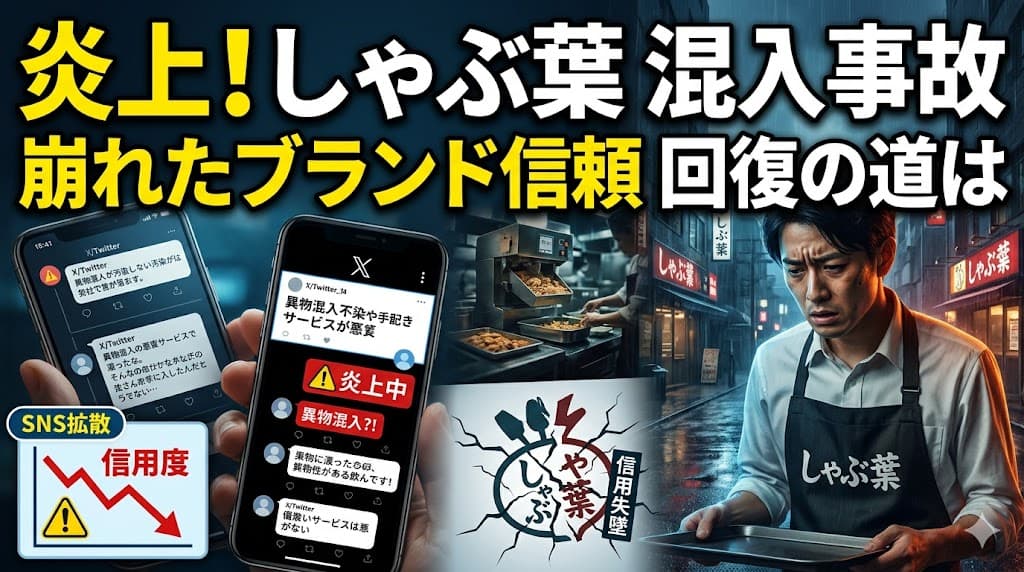
Quality Control Failure at Shabu-Yo: Brand Trust Lessons from a Viral SNS Incident
SNSで話題となったしゃぶ葉の品質問題を題材に、ブランド危機対応や品質管理を英語で説明する力を実践的に鍛えるビジネス英語教材です。
Part 1: 読む → 要約する
Step 1: Pre-Reading — ビジネスの文脈で考える (3 min)
あなたは外資系食品サービス企業の日本支社に勤務しており、週次のチームミーティングで日本の外食業界の最新トピックを共有することになりました。今回は、日本で話題になっている大手しゃぶしゃぶチェーンの品質管理問題を取り上げます。上司やチームメンバーに、この事例から学べるビジネス上の教訓を英語で説明する必要があります。
Q1: What do you think are the biggest reputational risks for restaurant chains in the age of social media? (SNS時代における飲食チェーン店の風評リスクについて考えてみましょう。)
Q2: When customers post complaints online, how quickly should a company respond, and what should that response include? (顧客がオンラインで苦情を投稿した際、企業はどれくらい早く、どのような内容で対応すべきでしょうか。)
Q3: How can large chain restaurants ensure consistent quality across hundreds of locations? (多店舗展開するレストランチェーンが、全店で一貫した品質を保つにはどうすればよいでしょうか。)
Step 2: First Reading — 全体を把握する (10 min)
以下の英文は、ニュース記事の事実をもとに作成したビジネスシナリオ文書です。実際の職場でこのような文書を読む場面を想像しながら、英文を読み進めましょう。
INTERNAL BRIEFING MEMO
To: Asia-Pacific Regional Management Team From: Brand & Quality Assurance Department, Tokyo Office Date: April 21, 2026 Subject: Competitor Case Study — Skylark Holdings "Shabu-Yo" Quality Incident (Action Required by April 30)
1. Purpose
This memo summarizes a recent brand crisis involving Skylark Holdings, the parent company of the shabu-shabu chain "Shabu-Yo." The case offers valuable lessons for our own quality assurance protocols. Please review before our cross-functional meeting next week.
2. Background
On April 20, 2026, Skylark Holdings, headquartered in Musashino City, Tokyo, publicly acknowledged that a number of its Shabu-Yo outlets had been serving pork slices that did not meet the company's internal standards. The issue came to light after customers posted photos on social media showing meat so thin that the plate was visible through the slice. The hashtag "stealth pork" spread rapidly online, drawing comparisons between the menu photography and the actual product served in stores.
3. Company Response
In a statement to Bengoshi.com News, Skylark Holdings confirmed that, following an internal investigation, a portion of their locations had indeed served meat outside the "optimal slicing specification." The company apologized for failing to meet customer expectations and pledged to strengthen compliance checks across all branches. Skylark explained that meat is purchased in bulk and sliced on-site at each location, which makes consistent thickness dependent on operational discipline.
4. Key Takeaways for Our Operations
Three points are relevant to our own business:
- Visual evidence on social media can reach millions of consumers within hours, well before traditional PR channels can react.
- Decentralized preparation processes (in-store slicing, portioning, or cooking) introduce variability that central guidelines alone cannot control.
- A prompt, factual apology that acknowledges the gap between promise and delivery tends to reduce long-term brand damage.
5. Action Items
- Department heads should review our own in-store preparation standards by April 28.
- The Marketing team will prepare a short internal report on social-media monitoring practices.
- We will discuss preventive measures at the regional meeting on April 30.
Please direct questions to the Brand & Quality Assurance team.
Data sourced from: 弁護士ドットコムニュース — "「肉が薄すぎてステルス」SNSで話題の「しゃぶ葉」、一部店舗で「基準外提供」を認め謝罪" (April 20, 2026)
Note: The above is an original business scenario created for learning purposes using publicly available facts. Please read the original article at the link above for the full report.
関連: AI時代のビジネス英語実践|日本人ビジネスパーソンはAIと英語をどう使うべきか で詳しく解説しています。
Step 3: Comprehension Check — 内容確認 (5 min)
Q1: Which company operates the shabu-shabu chain mentioned in the memo? (メモで言及されているしゃぶしゃぶチェーンを運営する会社はどこですか。)
Q2: What specifically did customers post on social media that triggered the issue? (顧客がSNSに投稿した、問題の発端となった内容は具体的に何でしたか。)
Q3: How did the company explain why thickness can vary between locations? (なぜ店舗ごとに厚さが異なるのか、会社はどのように説明しましたか。)
Q4: What three key takeaways does the memo highlight for the reader's own business? (このメモが自社のビジネスに対して強調している3つの教訓は何ですか。)
Q5: What are the action items and their deadlines? (アクションアイテムとその期限は何ですか。)
Step 4: 30-Second Briefing — 上司に30秒で説明する (10 min)
朝のエレベーターで、外資系の上司から "Hey, I saw something about a Japanese restaurant chain on the news. Can you catch me up in 30 seconds?" と聞かれました。簡潔かつ的確に要点を伝えましょう。
| Framework | Template (fill in) |
|---|---|
| 1. Topic (一言で) | "It's about a quality incident at a major Japanese _________ chain called Shabu-Yo." |
| 2. What happened | "Customers posted on social media that the _________ was so thin the plate was visible." |
| 3. Company response | "The operator, _________ Holdings, admitted some stores failed to meet internal standards and _________ ." |
| 4. Why it matters | "It shows how _________ preparation in chain restaurants can create _________ problems." |
| 5. Your angle | "I think we should review our own _________ standards to avoid a similar issue." |
Tip: 記事をそのまま訳すのではなく、自分の言葉で言い換える(paraphrase する)ことが重要です。"stealth pork" のような比喩的な表現は、"extremely thin pork slices" のように具体的な描写に置き換えると、ビジネスの場で通じやすくなります。
Part 2: 語彙・表現・発音
1. acknowledge (v.) — 認める、公に認める
- Example: The company acknowledged that some of its stores had served meat below the required standard.
- 訳: 同社は、一部の店舗で基準以下の肉を提供していたことを認めました。
- 外資系シーン: 品質問題や納期遅延が発生した際、responsibility を曖昧にせず "We acknowledge the issue" と率直に認める姿勢は、外資系の誠実なコミュニケーションで頻繁に使われます。
2. compliance (n.) — 遵守、コンプライアンス
- Example: We need to strengthen compliance with our internal slicing specifications across all branches.
- 訳: 全支店において、社内のスライス仕様の遵守を強化する必要があります。
- 外資系シーン: 監査、法務、品質管理のミーティングで必ず登場する語です。"compliance check" や "in compliance with policy" のようにコロケーションで覚えましょう。
3. discrepancy (n.) — 食い違い、不一致
- Example: Customers noticed a clear discrepancy between the menu photo and the actual product served.
- 訳: 顧客は、メニュー写真と実際に提供された商品との間に明らかな食い違いに気付きました。
- 外資系シーン: 数値報告、在庫管理、契約書レビューなどで "There is a discrepancy between A and B" という表現は非常に便利です。
4. decentralized (adj.) — 分散型の、各拠点に権限がある
- Example: Decentralized in-store preparation can make consistent quality difficult to guarantee.
- 訳: 各店舗で行う分散型の調理は、一貫した品質の保証を難しくすることがあります。
- 外資系シーン: 組織構造(decentralized organization)、IT(decentralized system)、オペレーションの議論で頻出します。対義語は "centralized"。
5. reputational risk (n.) — 風評リスク、ブランド毀損リスク
- Example: A single viral post on social media can cause significant reputational risk for a global brand.
- 訳: SNS上の拡散投稿1つが、グローバルブランドに大きな風評リスクをもたらす可能性があります。
- 外資系シーン: 経営会議や危機管理の議論で、"financial risk" と並んで必ず出てくるキーワードです。
Fill-in-the-Blank Exercise
次の英文の空欄に、上の語彙から最も適切な語を選んで入れてください(必要に応じて形を変えてください)。
Q1: The CFO asked the team to investigate the ____________ between the forecast and the actual Q1 numbers.
Q2: Our legal department regularly conducts ____________ audits to ensure we follow industry regulations.
Q3: The CEO publicly ____________ the delay and promised corrective action within 30 days.
Q4: Failing to respond to customer complaints on social media is now one of the biggest ____________ ____________ for consumer brands.
Part 3: 自分の意見を述べる
Discussion Topic A
Q: Do you think social media has more positive or negative effects on restaurant businesses? Give specific examples. (SNSは飲食店ビジネスにとってプラスとマイナス、どちらの影響が大きいと思いますか。具体例を挙げて説明しましょう。)
Discussion Topic B
Q: If you were the CEO of Skylark Holdings, what would be your first three actions after this incident? (もしあなたがすかいらーくホールディングスのCEOだったら、この事件の後に最初に取る3つの行動は何ですか。)
Discussion Topic C
Q: In your own company, are quality standards set centrally or decided by each team? Which approach do you prefer, and why? (あなたの会社では、品質基準は本社で一元的に決められていますか、それとも各チームが決めていますか。どちらが望ましいと思いますか。)
Useful Phrases
| English | Japanese |
|---|---|
| From my perspective, the key issue is ... | 私の視点では、重要なのは〜です |
| What strikes me most about this case is ... | この事例で最も印象的なのは〜です |
| I would argue that ... | 私は〜だと主張します |
| On the other hand, we should also consider ... | 一方で、〜も考慮すべきです |
| If I were in their position, I would ... | もし私が彼らの立場なら、〜するでしょう |
Part 4: 面接対策 — 外資系で差をつける
Mock Interview A
Interviewer: "Can you tell me about a time when your team failed to meet a quality standard? How did you handle it?" (品質基準を満たせなかった経験について、どのように対処したか教えてください。この事例を参考に、自分の経験を構造化して答える練習をしましょう。)
Mock Interview B
Interviewer: "Imagine a negative post about your company goes viral on social media overnight. Walk me through your response plan." (自社に関するネガティブな投稿が一晩でバズった場合の対応計画を説明してください。クライシスマネジメントの思考力を問う質問です。)
Mock Interview C
Interviewer: "How do you balance local autonomy with global consistency in a multi-location business?" (多店舗展開のビジネスにおいて、現場の裁量と全社的な一貫性をどう両立させますか。組織設計の視点が問われます。)
Common Mistakes (NG Patterns)
NG 1:
- ❌ Bad: "It is a bad thing that happened. Company said sorry."
- ✅ Good: "The company publicly acknowledged a quality gap and issued a formal apology."
- 説明: "bad thing" や "said sorry" は子供っぽく響きます。ビジネス英語では acknowledge / issue an apology などの動詞を使いましょう。
NG 2:
- ❌ Bad: "I think maybe the company should maybe check their stores."
- ✅ Good: "I believe the company should conduct regular audits at all locations."
- 説明: "maybe" を重ねると自信がなさそうに聞こえます。"I believe" や "I recommend" で断定的に述べましょう。
NG 3:
- ❌ Bad: "SNS is very dangerous for company."
- ✅ Good: "Social media can amplify reputational risk significantly and rapidly."
- 説明: 英語では "SNS" ではなく "social media" が標準です。また、"dangerous" よりも具体的な動詞 (amplify, escalate) を使うと説得力が上がります。
NG 4:
- ❌ Bad: "They need to more training for staff."
- ✅ Good: "They need to provide additional training for staff."
- 説明: 動詞 (provide, deliver, offer) が抜け落ちるのは日本人英語で非常によくあるミスです。名詞の前に必ず動詞を置きましょう。
活用のコツ(4 Tips)
Tip 1: 自社の「当たり前」を疑う機会として使う この事例を読んだら、自分の部署や業務で「基準が形骸化している箇所」がないか一度棚卸ししてみましょう。他社の失敗事例は、自社の改善点を客観的に見直す最高の材料になります。
Tip 2: SNS投稿を英語でモニタリングする習慣をつける X(Twitter)やLinkedIn で、自社や業界に関する英語の投稿を週に1回チェックする習慣をつけましょう。語彙と業界動向を同時に学べ、クライシス発生時の初動も早くなります。
Tip 3: ビジネスメモのテンプレートとして保存する Step 2 のメモ形式(Purpose / Background / Response / Takeaways / Action Items)は、社内報告に使える万能テンプレートです。次回の英文メールや報告書で、この構造をそのまま流用してみてください。
Tip 4: 30秒要約を毎日のルーティンにする ニュース記事を読んだら、必ず英語で30秒要約する練習をしましょう。エレベーターピッチ力が鍛えられ、外資系の上司やクライアントとの突発的な会話でも、落ち着いて要点を伝えられるようになります。
Bonus: プロナビレッスンでの活用法
レッスン前 (20min)
- 記事の事実関係(会社名・日付・数字)をノートにメモする
- Part 2 の語彙5つを音読し、例文を自分の業務に置き換えて1文ずつ作文してみる
- Step 3 の Comprehension Check に英語で回答を書き出しておく(話すのではなく書くことで、表現の引き出しが整理されます)
- Step 4 の 30-Second Briefing を 1 回、声に出して練習する
レッスン中 (25min)
- コーチと Part 3 の Discussion Topics A〜C を1つずつ議論する
- Part 4 の Mock Interview から1つ選び、ロールプレイ形式で回答を磨く
- Useful Phrases を実際の会話で使いながら、発音とイントネーションのフィードバックを受ける
- 自分の言い間違いや不自然な表現を、コーチにその場で修正してもらう
レッスン後 (15min)
- レッスン中に指摘された表現や発音ポイントを、自分の単語帳やメモアプリに記録する
- 30-Second Briefing を録音し、レッスン前のものと聞き比べて上達を確認する
- 翌週までに、学んだ語彙 (acknowledge / compliance / discrepancy など) を実際のメールや会議で1回ずつ使ってみる
- 英語でのアウトプットに不安がある方は、ぜひ PronuNavi の free consultation でお気軽にご相談ください
参考・出典
この記事を書いた人
サイト運営・日本語サポート担当 / AIエンジニア
- ●東京都出身・海外在住13年以上
- ●IT歴36年以上(開発・SEO・AI)
- ●IBM認定 生成AIエンジニア
- ●CEFR B1の英語学習者(今も学習中)
外資系の現場で「英語が話せず評価が伸びない」苦しさを経験し、海外移住後も印刷所で「copy」が通じないような発音の壁に何度もぶつかってきました。今もプロ講師の指導を受けながら学習を続ける一人として、AI時代でも英語で悩む日本人ビジネスパーソンに向けて、現場目線で記事を書いています。日本語でのご相談やお問い合わせも私が担当します。
関連記事
GMO在宅勤務「完全廃止」を英語で説明する|ニュースで学ぶビジネス英語教材
GMOの在宅勤務「完全廃止」ニュースを教材化。英文社内メモの読解、上司への30秒説明、頻出語彙、面接想定問答まで収録し、働き方トレンドを語れるビジネス英語力を鍛えます。無料の英語学習教材です。
2026/7/14
三菱UFJが時価総額首位に|40年ぶりの「金融復権」を英語で語るビジネス英語教材
三菱UFJが時価総額首位、1986年以来40年ぶりの金融復権。このニュースを教材に、市場・金利・株主還元を語るビジネス英語を学習。社内メモ読解、30秒要約、ディスカッション、外資系面接対策まで実践形式で身につく無料教材です。
2026/7/13
Apple対OpenAI訴訟で学ぶビジネス英語|営業秘密と情報管理を英語で語る実践教材
AppleによるOpenAI提訴のニュースを教材化。営業秘密・情報管理をテーマに、社内メモの読解、上司への30秒説明、重要単語、ディスカッション、面接対策まで実践的に学べるビジネス英語学習コンテンツ。外資系で働く日本人ビジネスパーソンの英語力を鍛えます。
2026/7/12
三菱自動車×東大発Highlandersのヒト型ロボット量産提携で学ぶビジネス英語教材
三菱自動車と東大発Highlandersのヒト型ロボット量産提携ニュースで学ぶビジネス英語教材。mass productionなど頻出語彙、30秒ブリーフィング、外資系面接対策まで実践的に学べる英語学習コンテンツです。
2026/7/11

OpenAI「ChatGPT Work」で学ぶビジネス英語|AIエージェント最新ニュース教材
OpenAIの「ChatGPT Work」とGPT-5.6を題材にしたビジネス英語学習教材。社内メモ読解や30秒ブリーフィング、面接対策を通じて、AI時代の職場で使える実践英語を身につけます。
2026/7/10
Grok 4.5で学ぶビジネス英語|AI最新ニュースで鍛える読解と要約力
話題のAIモデル「Grok 4.5」の英語ニュースを教材化。社内ブリーフィングメモの読解、要約、面接対策まで。最新テックニュースで実践的なビジネス英語を学びたい方へ。
2026/7/9