
Sakana Translateで学ぶビジネス英語|敬語もトーンも伝わる翻訳を教材化
話題の翻訳サービス「Sakana Translate」を題材にしたビジネス英語教材。社内メモの読解、要約、語彙、面接対策まで、外資系で使える英語学習を実践形式で身につけられます。

AIエンジニア / IT歴36年以上・海外在住13年以上のCEFR B1英語学習者
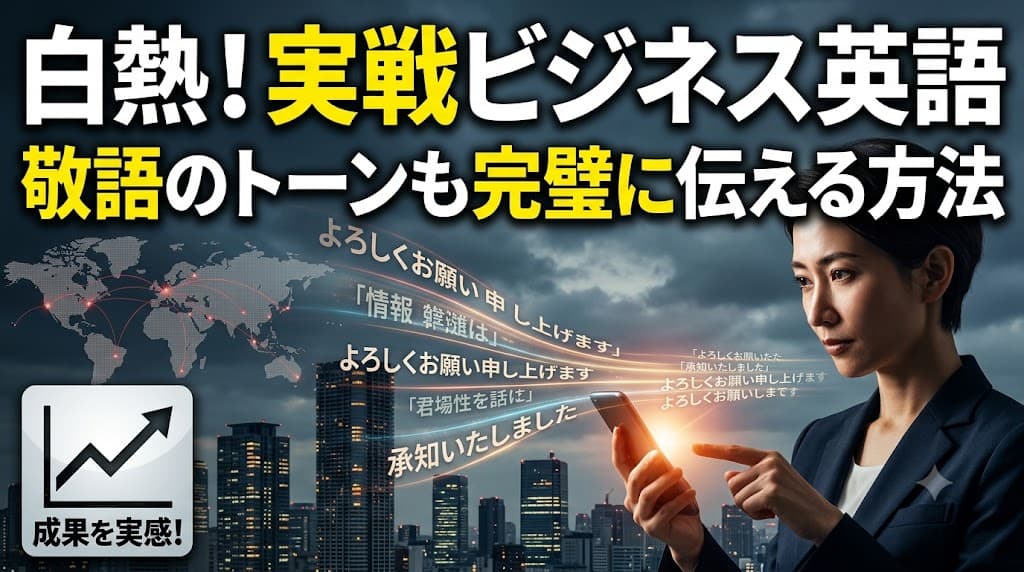
Sakana Translate: How "Deep Translation" Could Reshape Cross-Border Business Communication
敬語やニュアンスまで訳す新翻訳ツール「Sakana Translate」を題材に、社内メモ形式の英文でビジネス英語を実践的に学びましょう。
Part 1: 読む → 要約する
Step 1: Pre-Reading — ビジネスの文脈で考える (3 min)
あなたは外資系企業のチームで働いています。来週のチームミーティングで、日本語と英語のやり取りが多い社内コミュニケーションについて、新しい翻訳ツールを紹介することになりました。海外のマネージャーにも「なぜこのツールが重要なのか」を英語で説明する準備をしています。
以下の質問について、英語で考えてみましょう。
Q1: When you translate a Japanese business email into English, what is usually lost — just the words, or also the tone and politeness? (日本語のビジネスメールを英訳するとき、失われるのは「単語」だけでしょうか。それとも「トーン」や「丁寧さ」も失われますか。)
Q2: In your workplace, which situations create the most difficulty when switching between Japanese, English, or Chinese? (あなたの職場では、日本語・英語・中国語を切り替えるとき、どんな場面が一番難しいですか。)
Q3: What features would make you trust an AI translation tool enough to use it for real client emails? (AI翻訳ツールを、実際の顧客メールに使えるほど信頼するには、どんな機能が必要だと思いますか。)
Step 2: First Reading — 全体を把握する (10 min)
以下の英文は、ニュース記事の事実をもとに作成したビジネスシナリオ文書です。実際の職場でこのような文書を読む場面を想像しながら、英文を読み進めましょう。
INTERNAL BRIEFING MEMO
To: Global Communications Team; Localization Working Group From: Kenji Sato, Manager, Digital Operations Date: July 6, 2026 Subject: Evaluation of "Sakana Translate" for Our Cross-Border Workflow — Feedback Needed by July 20
1. Purpose This memo asks the team to test a newly released translation tool and share early feedback. On July 6, Sakana AI added a feature called "Sakana Translate" to its "Sakana Chat" service. Because our department handles daily communication in Japanese, English, and Chinese, I believe we should assess whether this tool fits our needs.
2. What the Tool Offers Sakana Translate is a free web application. Anyone can use it after creating an account, and it supports two-way translation across the three languages we work with. Unlike many tools, its main selling point is reproducing the tone of Japanese — for example, turning polite business phrases into equally polite English, and turning casual internet slang into casual spoken English. The company describes the concept as translating not only words but also context and the sense of distance between speakers.
3. Three Functions to Test
- Translate: Paste up to roughly 5,000 characters and view the result as it streams onto the screen.
- Correct: Improve a draft into natural, appropriate wording; edits appear as highlighted differences. It adjusts grammar, politeness, and tone, so it may help us check the quality of English business emails.
- Ask: Raise follow-up questions about any result to confirm nuance or request alternative wording.
4. Technical Note The tool runs on the company's model series "Namazu," which adapts overseas frontier models to Japanese needs through post-training. In an evaluation using WMT 2024 General Translation data with the XCOMET-XL method, it reportedly reached a score band just behind the leading top models.
5. Action Items Please test all three functions with real (non-confidential) samples and send me your notes by July 20. I am especially interested in whether the "Correct" function is reliable enough for client-facing emails.
Thank you for your support.
Data sourced from: CNET Japan — "Sakana AI、無料の翻訳サービス「Sakana Translate」公開--敬語もネットスラングも温度感ごと訳す" (2026年07月06日)
Note: The above is an original business scenario created for learning purposes using publicly available facts. Please read the original article at the link above for the full report.
関連: AI翻訳が「正確」なのに伝わらない理由|外資系ビジネス英語で結果を出す活用術 で詳しく解説しています。
Step 3: Comprehension Check — 内容確認 (5 min)
以下の質問に英語で答えましょう。
Q1: On what date did Sakana AI release the new translation feature, and to which existing service was it added? (新機能はいつ公開され、どのサービスに追加されましたか。)
Q2: Which three languages does Sakana Translate support, and how much does it cost to use? (対応言語は何で、料金はどうなっていますか。)
Q3: What are the three main functions of the tool? (3つの主な機能は何ですか。)
Q4: What is special about how the "Correct" function shows its edits? (「添削」機能は、変更箇所をどのように表示しますか。)
Q5: What is the name of the model series behind the tool, and how was it created? (ツールを支えるモデルシリーズの名前と、その作り方を説明してください。)
関連: AI時代こそビジネス英語の発音矯正が必要な理由|外資面接で勝つ学習法 で詳しく解説しています。
Step 4: 30-Second Briefing — 上司に30秒で説明する (10 min)
エレベーターで上司にばったり会いました。「そういえば、さっきの新しい翻訳ツールの件、要点だけ教えてくれる?」と英語で聞かれました。30秒で、要点を押さえて説明してみましょう。
以下のフレームワークの空欄を埋めて、自分の説明を作りましょう。
| 要素 | テンプレート | 記入欄 |
|---|---|---|
| What (何が) | "Sakana AI just released a free translation tool called __________." | |
| Key point (要点) | "Its main strength is that it keeps the __________ and __________ of the original language." | |
| Languages (言語) | "It handles __________, __________, and __________." | |
| Features (機能) | "It has three modes: __________, __________, and __________." | |
| Why it matters (重要性) | "For our team, this could help us __________." |
Tip: 記事の言葉をそのまま並べるのではなく、自分の言葉に言い換える(paraphrase)と、より自然で説得力のある説明になります。例えば "reproduces the tone" を "keeps the same feeling" のように、やさしい言葉に置き換える練習をしてみましょう。
Part 2: 語彙・表現・発音
1. reproduce (v.) — 再現する
- 例文: The tool aims to reproduce the polite tone of the original Japanese sentence.
- 和訳: そのツールは、元の日本語の丁寧なトーンを再現することを目指しています。
- 外資系シーン: 海外チームに製品デモを見せるとき、"This feature reproduces the original layout exactly." のように、元の状態を「そのまま再現する」ことを説明する場面で使えます。
2. bidirectional (adj.) — 双方向の
- 例文: The app supports bidirectional translation between Japanese and English.
- 和訳: そのアプリは、日本語と英語の双方向翻訳に対応しています。
- 外資系シーン: システムやコミュニケーションの流れを説明するとき、"We need bidirectional feedback between the teams." のように「一方通行ではなく双方向」であることを強調できます。
3. streaming (adj. / n.) — (逐次)表示される、ストリーミング
- 例文: The translated text appears in a streaming format as the engine processes it.
- 和訳: 訳文は、エンジンが処理するにつれてストリーミング形式で表示されます。
- 外資系シーン: UIやデータの挙動を説明する際、"The results load in a streaming way, so users don't have to wait." のように、少しずつ表示される動きを表現できます。
4. nuance (n.) — ニュアンス、微妙な意味合い
- 例文: You can ask follow-up questions to confirm the nuance of a translation.
- 和訳: 翻訳のニュアンスを確認するために、追加の質問をすることができます。
- 外資系シーン: レビューや議論の場で、"I want to make sure the nuance is right before we send this to the client." のように、微妙な意味合いの正確さを確認するときに使います。
5. adapt (v.) — 適応させる、合わせて調整する
- 例文: The company adapted overseas models to Japanese needs through additional training.
- 和訳: その会社は、追加の学習によって海外のモデルを日本のニーズに適応させました。
- 外資系シーン: 戦略や製品の話で、"We adapted the global strategy to the local market." のように、既存のものを別の環境に「合わせて作り変える」ことを表現できます。
Fill-in-the-blank Exercise
以下の空欄に、上の語彙から適切なものを選んで入れましょう(形を変えても構いません)。
- Before sending the email, I asked a colleague to check the ______ of my wording.
- This platform provides ______ communication, so both offices can respond instantly.
- Our team ______ the original plan to fit the new budget.
- The dashboard uses ______ updates, so the numbers change in real time.
Part 3: 自分の意見を述べる
Discussion Topics
Topic A: Do you think AI translation tools will reduce the need for human translators in business, or will they mainly support them? (AI翻訳ツールは、ビジネスにおける人間の翻訳者の必要性を減らすと思いますか。それとも主に補助する役割にとどまると思いますか。)
Topic B: The tool claims to translate tone and politeness, not just words. Why is tone so important in Japanese business communication? (このツールは、単語だけでなくトーンや丁寧さも訳すと主張しています。日本のビジネスコミュニケーションで、なぜトーンはそれほど重要なのでしょうか。)
Topic C: Would you feel comfortable using an AI "Correct" function for an important client email? What would you check before sending? (重要な顧客メールに、AIの「添削」機能を使うことに抵抗はありませんか。送信前に何を確認しますか。)
Useful Phrases
| English | 日本語 |
|---|---|
| In my experience, ... | 私の経験では、… |
| It depends on the situation, but ... | 状況によりますが、… |
| I'd argue that ... | 私は…だと主張したいです |
| One concern I have is ... | 私が懸念しているのは…です |
| On balance, I think ... | 総合的に考えると、私は…だと思います |
Part 4: 面接対策 — 外資系で差をつける
Mock Interview Scenarios
Scenario A: Interviewer: "How do you handle situations where communication across languages causes misunderstandings in your team?" (言語をまたいだコミュニケーションでチーム内に誤解が生じたとき、あなたはどう対処しますか。)
Scenario B: Interviewer: "New AI tools are changing how we work. Tell me about a time you introduced or evaluated a new tool for your team." (新しいAIツールが働き方を変えています。チームのために新しいツールを導入または評価した経験を教えてください。)
Scenario C: Interviewer: "When you check the quality of an important business email, what steps do you take?" (重要なビジネスメールの品質を確認するとき、あなたはどんな手順を踏みますか。)
Common Mistakes (NG Patterns)
NG 1: 単語をそのまま直訳する
- ❌ Bad: "I saw your estimate." (「お見積り拝見しました」を機械的に訳し、丁寧さが失われる)
- ⭕ Good: "Thank you for sending your estimate — I've reviewed it carefully."
- 説明: 日本語の丁寧な表現は、英語では感謝や配慮の言葉を添えて丁寧さを補うと自然になります。単語だけを置き換えると、そっけない印象を与えてしまいます。
NG 2: 抽象的すぎて具体例がない
- ❌ Bad: "The tool is very good and useful."
- ⭕ Good: "The tool is useful because it keeps the polite tone, for example when translating client emails."
- 説明: 面接では「なぜ良いのか」を具体例とともに述べると説得力が増します。"very good" だけでは印象に残りません。
NG 3: 結論を最後まで言わない
- ❌ Bad: "There are many factors, and it is difficult to say, and it depends..."
- ⭕ Good: "It depends, but overall I would recommend testing it first with non-confidential samples."
- 説明: 英語のビジネス会話では、まず結論を伝える方が好まれます。前置きが長いと、要点が伝わりにくくなります。
NG 4: 受け身で自分の役割を語らない
- ❌ Bad: "The tool was introduced to our team."
- ⭕ Good: "I proposed testing the tool, and I led the evaluation with three colleagues."
- 説明: 面接では自分が何をしたのかを主語を「I」にして語ることが大切です。受け身の表現ばかりだと、貢献が伝わりません。
活用のコツ(3 Tips)
Tip 1: 訳す前に「トーンの目的」を一言メモする。 翻訳ツールに文章を入れる前に、「これは丁寧に伝えたいのか、カジュアルでいいのか」を自分で決めておくと、出てきた訳文が目的に合っているかを判断しやすくなります。
Tip 2: 「添削」結果は差分だけを見て理由を考える。 修正されたポイントをただ受け入れるのではなく、なぜその表現に変わったのかを一つずつ考えることで、次回から自分で同じ改善ができるようになります。
Tip 3: 重要メールは「質疑」で必ずダブルチェックする。 クライアント向けの文章では、訳文をそのまま使わず、ニュアンスや別表現を追加で確認する習慣をつけると、送信ミスや誤解を防ぐことができます。
Bonus: プロナビレッスンでの活用法
レッスン前(20min) Part 1 の英文(Internal Briefing Memo)を読み、Step 3 の内容確認問題に自分なりの答えを英語で書き出しておきましょう。分からなかった単語は Part 2 の語彙リストで確認し、声に出して数回読んでおくと、レッスン中にスムーズに使えます。
レッスン中(25min) Step 4 の「30-Second Briefing」を、コーチを上司に見立てて実際に口頭で説明します。その後、Part 3 のディスカッショントピックから1つを選び、Useful Phrases を使いながら自分の意見を述べる練習をします。コーチから、より自然な言い回しやトーンのフィードバックを受け取りましょう。
レッスン後(15min) Part 4 の模擬面接シナリオから1つを選び、レッスン中に学んだ表現を取り入れて自分の回答を録音してみましょう。NG パターンを避けられているかを自分でチェックし、気づいた改善点を次回の目標としてメモに残します。
参考・出典
この記事を書いた人
サイト運営・日本語サポート担当 / AIエンジニア
- ●東京都出身・海外在住13年以上
- ●IT歴36年以上(開発・SEO・AI)
- ●IBM認定 生成AIエンジニア
- ●CEFR B1の英語学習者(今も学習中)
外資系の現場で「英語が話せず評価が伸びない」苦しさを経験し、海外移住後も印刷所で「copy」が通じないような発音の壁に何度もぶつかってきました。今もプロ講師の指導を受けながら学習を続ける一人として、AI時代でも英語で悩む日本人ビジネスパーソンに向けて、現場目線で記事を書いています。日本語でのご相談やお問い合わせも私が担当します。
関連記事
GMO在宅勤務「完全廃止」を英語で説明する|ニュースで学ぶビジネス英語教材
GMOの在宅勤務「完全廃止」ニュースを教材化。英文社内メモの読解、上司への30秒説明、頻出語彙、面接想定問答まで収録し、働き方トレンドを語れるビジネス英語力を鍛えます。無料の英語学習教材です。
2026/7/14

三菱UFJが時価総額首位に|40年ぶりの「金融復権」を英語で語るビジネス英語教材
三菱UFJが時価総額首位、1986年以来40年ぶりの金融復権。このニュースを教材に、市場・金利・株主還元を語るビジネス英語を学習。社内メモ読解、30秒要約、ディスカッション、外資系面接対策まで実践形式で身につく無料教材です。
2026/7/13

Apple対OpenAI訴訟で学ぶビジネス英語|営業秘密と情報管理を英語で語る実践教材
AppleによるOpenAI提訴のニュースを教材化。営業秘密・情報管理をテーマに、社内メモの読解、上司への30秒説明、重要単語、ディスカッション、面接対策まで実践的に学べるビジネス英語学習コンテンツ。外資系で働く日本人ビジネスパーソンの英語力を鍛えます。
2026/7/12
三菱自動車×東大発Highlandersのヒト型ロボット量産提携で学ぶビジネス英語教材
三菱自動車と東大発Highlandersのヒト型ロボット量産提携ニュースで学ぶビジネス英語教材。mass productionなど頻出語彙、30秒ブリーフィング、外資系面接対策まで実践的に学べる英語学習コンテンツです。
2026/7/11
OpenAI「ChatGPT Work」で学ぶビジネス英語|AIエージェント最新ニュース教材
OpenAIの「ChatGPT Work」とGPT-5.6を題材にしたビジネス英語学習教材。社内メモ読解や30秒ブリーフィング、面接対策を通じて、AI時代の職場で使える実践英語を身につけます。
2026/7/10
Grok 4.5で学ぶビジネス英語|AI最新ニュースで鍛える読解と要約力
話題のAIモデル「Grok 4.5」の英語ニュースを教材化。社内ブリーフィングメモの読解、要約、面接対策まで。最新テックニュースで実践的なビジネス英語を学びたい方へ。
2026/7/9