
高市政権・武器輸出解禁で学ぶビジネス英語|政策転換を30秒で説明する実践教材
高市政権の武器輸出解禁ニュースを題材にしたビジネス英語教材。社内メモの読解、30秒ブリーフィング、面接対策まで、外資系で通用する英語学習ができる実践コンテンツです。


AIエンジニア / IT歴36年以上・海外在住13年以上のCEFR B1英語学習者
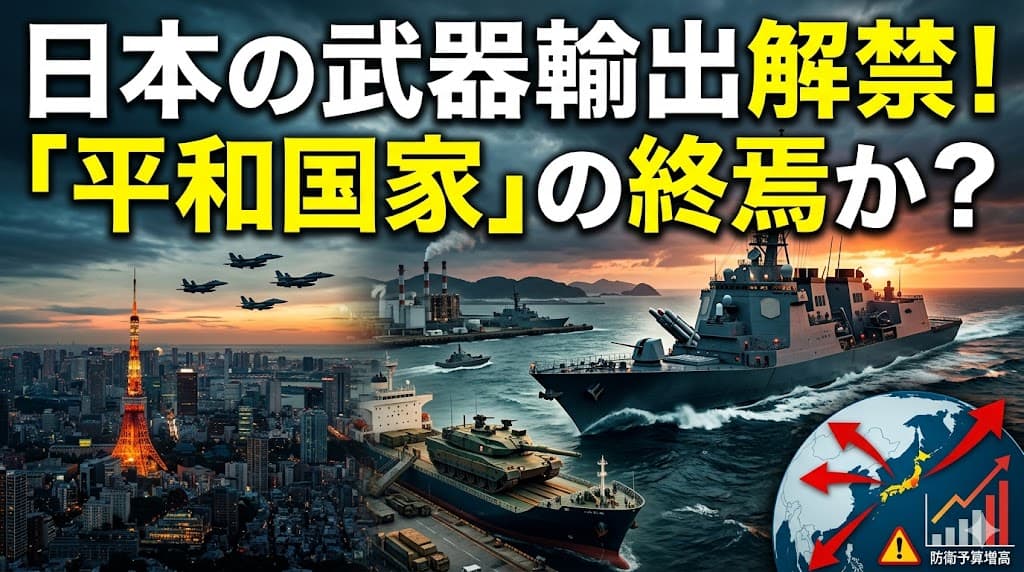
Japan Lifts Arms Export Ban: The End of the "Peace Nation" Era?
高市政権による武器輸出規制の全面解禁を題材に、政策ニュースを英語で説明・議論するスキルを磨ける実践型ビジネス英語教材です。
Part 1: 読む → 要約する
Step 1: Pre-Reading — ビジネスの文脈で考える (3 min)
Scene Setting: あなたは外資系商社の戦略企画部に所属しています。月曜朝のグローバルチームミーティングで、東京オフィスのメンバーとして「日本の政策転換が防衛産業ビジネスにどう影響するか」について意見を求められました。ロンドン本社の同僚に、この大きな政策変更の背景と意味を英語で説明する必要があります。
Q1: What industries in your country are subject to strict export regulations? Why do you think these restrictions exist? 自国で輸出規制が厳しい産業について考えてみましょう。なぜそうした規制が存在するのでしょうか。
Q2: When a country changes a long-standing policy, what kinds of business opportunities and risks typically emerge? 長年続いた政策が変更されると、ビジネスにはどのような機会やリスクが生まれるでしょうか。
Q3: How do political coalitions influence business policy in Japan compared to other countries you know? 日本の連立政権が経済政策に与える影響について、他国と比較して考えてみましょう。
Step 2: First Reading — 全体を把握する (10 min)
以下の英文は、ニュース記事の事実をもとに作成したビジネスシナリオ文書です。実際の職場でこのような文書を読む場面を想像しながら、英文を読み進めましょう。
INTERNAL BRIEFING MEMO
To: Regional Strategy Committee, Asia-Pacific Division From: Kenji Morita, Head of Policy Intelligence, Tokyo Office Date: April 22, 2026 Subject: Japan Removes Arms Export Restrictions — Strategic Implications and Action Required
Executive Summary
On April 21, 2026, the Takaichi administration officially abolished the "Five Categories" framework that had limited Japanese arms exports to rescue, transport, warning, surveillance, and minesweeping purposes. This represents the most significant shift in Japan's defense export policy since the postwar era, and our division must prepare an immediate response.
Background
The removal of these restrictions was included in the coalition agreement signed in October 2025, when the Liberal Democratic Party formed a government with Nippon Ishin no Kai. The previous coalition partner, Komeito, had traditionally acted as a brake on security policy expansion. Ishin, by contrast, has positioned itself as an accelerator. This change in coalition partners cleared the political path for a reform that defense ministry officials had long sought.
Prime Minister Sanae Takaichi defended the decision, stating that Japan's basic principles as a peace-oriented nation remain unchanged after more than 80 postwar years. However, several policy experts have publicly argued that this move effectively ends Japan's identity as a peace nation.
Business Implications
First, Japanese defense manufacturers now have access to global markets that were previously closed to them. Fighter jets and other weapons with lethal capabilities can now be exported. Second, our existing clients in the aerospace and heavy machinery sectors should be briefed on new compliance requirements. Third, ESG-focused investors may raise concerns, and we should prepare clear talking points for upcoming investor calls.
Action Items
- Legal team to complete a regulatory impact assessment by May 15.
- Sales division to identify three priority clients affected by the change.
- Communications team to draft FAQ materials for external stakeholders by April 30.
- Risk committee to reassess our reputational exposure in European markets.
Please share any preliminary feedback before Friday's leadership call. A follow-up memo with market sizing estimates will follow next week.
Data sourced from: Asahi Shimbun — "高市首相、武器輸出「時代変わった」 専門家「平和国家捨て去った」" (April 21, 2026)
Note: The above is an original business scenario created for learning purposes using publicly available facts. Please read the original article at the link above for the full report.
関連: AI時代こそビジネス英語の発音矯正が必要な理由|外資面接で勝つ学習法 で詳しく解説しています。
Step 3: Comprehension Check — 内容確認 (5 min)
Q1: What specific framework did the Takaichi administration abolish, and what five purposes did it originally limit arms exports to? 高市政権が撤廃した枠組みの正式名称と、もともと限定されていた5つの目的を答えてください。
Q2: Which two political parties formed the coalition that made this policy change possible? この政策変更を可能にした連立政権を構成する2つの政党を答えてください。
Q3: How did the role of the previous coalition partner differ from the current one in terms of security policy? 以前の連立パートナーと現在のパートナーの、安全保障政策に対する姿勢の違いを説明してください。
Q4: What is Prime Minister Takaichi's official position on whether Japan remains a peace nation? 高市首相は「平和国家」としての日本の立場について、公式にどのように主張していますか。
Q5: According to the memo, what are three specific action items the team must complete, and what are their deadlines? メモに記載されている3つの具体的なアクション項目と、それぞれの期限を挙げてください。
Step 4: 30-Second Briefing — 上司に30秒で説明する (10 min)
Scene Setting: あなたは出社中のエレベーターで、外国人の上司に偶然会いました。「Hey, I saw a headline about Japan changing its arms export rules. Can you give me the quick version?」と聞かれました。30秒で要点を伝えてください。
| フレームワーク | テンプレート |
|---|---|
| ①結論(What happened) | Japan has just _______________ its restrictions on _______________. |
| ②背景(Why now) | This became possible because the ruling party formed a new coalition with _______________, replacing _______________. |
| ③影響(So what) | As a result, Japanese companies can now export _______________, which opens up _______________ but also raises concerns about _______________. |
| ④自分の見解(My take) | From a business perspective, I think we should _______________ because _______________. |
💡 Tip: 元記事の表現をそのまま使うのではなく、自分の言葉で言い換える(paraphrase)練習をしましょう。"abolished the Five Categories" を "lifted the export ban" のようにシンプルに言い換えると、相手に伝わりやすくなります。
関連: AI時代のビジネス英語実践|日本人ビジネスパーソンはAIと英語をどう使うべきか で詳しく解説しています。
Part 2: 語彙・表現・発音
1. abolish (v.) — 廃止する、撤廃する
- Example: The government decided to abolish the outdated regulation to boost international trade.
- 訳: 政府は国際貿易を促進するため、時代遅れの規制を撤廃することを決定しました。
- 外資系シーン: 会議で "We need to abolish this approval process to speed up decision-making." のように、不要なプロセスや制度の廃止を提案する場面で使われます。
2. coalition (n.) — 連立、連合
- Example: The new coalition between the two parties has shifted the country's foreign policy direction.
- 訳: 両党による新しい連立により、国の外交政策の方向性が変わりました。
- 外資系シーン: 政治情勢の分析だけでなく、"a coalition of stakeholders" のように、複数の関係者が連携する状況を説明する際にも使えます。
3. implication (n.) — 影響、示唆、意味合い
- Example: We need to assess the business implications of this policy change before updating our strategy.
- 訳: 戦略を更新する前に、この政策変更のビジネスへの影響を評価する必要があります。
- 外資系シーン: "What are the implications for our Q3 forecast?" のように、ある事象が自社のビジネスに及ぼす影響を議論する際の定番表現です。
4. compliance (n.) — 法令遵守、コンプライアンス
- Example: Our legal team is reviewing the new compliance requirements for defense-related exports.
- 訳: 当社の法務チームは、防衛関連輸出の新しい法令遵守要件を確認しています。
- 外資系シーン: "compliance check" や "compliance officer" など、グローバル企業では日常的に使われる最重要ビジネス語彙の一つです。
5. stakeholder (n.) — 利害関係者、ステークホルダー
- Example: We should prepare clear talking points for all stakeholders, including investors and regulators.
- 訳: 投資家や規制当局を含む、すべての利害関係者向けに明確な説明ポイントを準備すべきです。
- 外資系シーン: "stakeholder alignment"(関係者の合意形成)や "key stakeholders" という表現で、プロジェクトや意思決定の関係者を指す際に頻繁に使われます。
Fill-in-the-blank Exercise
以下の英文の空欄に、上記の語彙から適切な単語を選んで入れてください。
Q1: Before launching the new product, we must identify all the key _______________ and secure their support.
Q2: The board voted to _______________ the old bonus scheme and replace it with a performance-based system.
Q3: The CFO asked the team to explain the financial _______________ of expanding into the European market.
Q4: Our _______________ team flagged several issues with the new data privacy regulation.
解答: Q1: stakeholders / Q2: abolish / Q3: implications / Q4: compliance
Part 3: 自分の意見を述べる
Discussion Topic A
Do you think lifting arms export restrictions will benefit Japan's economy in the long run, or is it primarily a security decision with limited economic impact? 武器輸出規制の撤廃は、日本経済に長期的な利益をもたらすと思いますか。それとも経済効果は限定的で、主に安全保障上の判断だと考えますか。
Discussion Topic B
If your company operates in a sensitive industry, how should it communicate major policy changes to overseas clients who may have different values or concerns? 自社がセンシティブな業界にある場合、価値観や懸念が異なる可能性のある海外顧客に対して、大きな政策変更をどう伝えるべきだと思いますか。
Discussion Topic C
Coalition politics often shapes business regulations in Japan. Can you think of a business decision in your own company that was similarly influenced by a change in leadership or partnership? 日本では連立政治がビジネス規制に影響を与えます。自社でもリーダーやパートナーの変更によって同様に変わったビジネス判断の例を考えてみましょう。
Useful Phrases
| English | Japanese |
|---|---|
| From a business standpoint, I would argue that... | ビジネスの観点からは、〜と主張したいです。 |
| On the one hand... on the other hand... | 一方では〜、他方では〜。 |
| I can see both sides, but overall I lean toward... | 両方の立場が理解できますが、全体としては〜に傾きます。 |
| It's worth considering the long-term implications. | 長期的な影響を考慮する価値があります。 |
| That's a fair point, but I would add that... | それは一理ありますが、付け加えるなら〜。 |
Part 4: 面接対策 — 外資系で差をつける
Mock Interview Scenario A
Interviewer: "Japan recently made a major shift in its arms export policy. As someone working in international business, how would you assess the risks and opportunities this creates for a multinational company operating in Japan?"
国際ビジネスに携わる立場として、日本の武器輸出政策の転換がもたらすリスクと機会をどう評価しますか。政策理解と自分の視点の両方が問われる質問です。
Mock Interview Scenario B
Interviewer: "Tell me about a time when a sudden external change — a new regulation, a political decision, or a market shift — forced you to rethink your approach at work. How did you handle it?"
規制や政治判断などの外部環境の急変に対応した経験を問う質問です。STAR形式(Situation, Task, Action, Result)で答えると説得力が増します。
Mock Interview Scenario C
Interviewer: "Imagine you need to explain a controversial policy change to a skeptical foreign client. What communication principles would you follow?"
批判的な外国人顧客に対して、議論を呼ぶ政策変更をどう説明するかを問う質問です。中立性・透明性・事実ベースの説明姿勢を示すことが重要です。
Common Mistakes (NG Patterns)
❌ NG Pattern 1: 意見を述べずに事実の羅列で終わる
- Bad: "The government removed the Five Categories. Japan exports weapons now."
- Good: "The government removed the Five Categories, which I believe signals a fundamental shift in how Japan balances security and economic interests."
- 解説: 外資系の面接では、事実説明だけでなく「自分の見解」を求められます。"I believe" や "In my view" を使って必ず自分の視点を加えましょう。
❌ NG Pattern 2: 過度に政治的な立場を取る
- Bad: "This policy is completely wrong and the government should be stopped."
- Good: "While I understand the strategic rationale, I think there are legitimate concerns about public perception that the government should address."
- 解説: ビジネスの場では、感情的な否定・肯定よりもバランスの取れた分析が評価されます。"While I understand..., I also think..." のような構文が有効です。
❌ NG Pattern 3: 曖昧な表現に逃げる
- Bad: "It's difficult to say. Maybe it's good, maybe it's bad."
- Good: "The impact depends on the context, but if I had to take a position, I would say the short-term risks outweigh the benefits."
- 解説: "It depends" だけで終わると、判断力が弱い印象を与えます。"If I had to take a position..." で自分の立場を明確にする訓練をしましょう。
❌ NG Pattern 4: 日本語を直訳した不自然な英語
- Bad: "This is a very big problem for our country's peace image."
- Good: "This raises serious questions about how Japan's peaceful international identity will be perceived going forward."
- 解説: 「国のイメージ」を "our country's image" と直訳するより、"international identity" や "global reputation" といったビジネス英語らしい表現を使うと洗練されて聞こえます。
活用のコツ(3 Tips)
💡 Tip 1: ニュースを「自社への影響」に翻訳する習慣をつける 政策ニュースを読んだら必ず「これは自社のどの部署・どの取引に影響するか」を1分間考えてみましょう。この習慣が、単なる情報収集を戦略的インプットに変えます。
💡 Tip 2: 英語ニュースと日本語ニュースを両方読む 同じ出来事について、英語メディア(Reuters、BBCなど)と日本メディアの両方を読み比べることで、国際的な視点と日本独自の論点の違いが見えてきます。これは外資系で日本市場を説明する際の大きな武器になります。
💡 Tip 3: 「30秒説明」を日々の習慣にする 気になったニュースを、その日のうちに誰かに英語で30秒説明する練習をしましょう。家族や同僚がいなければ、声に出して自分で説明するだけでも効果的です。瞬発力のある英語力は、このような小さな積み重ねで育ちます。
Bonus: プロナビレッスンでの活用法
レッスン前(20min)
Part 1 の Step 1 と Step 2 を自宅で事前に完了しておきましょう。Pre-Reading の質問3つに対する自分の答えをメモに書き出し、ビジネスメモの英文を音読しながら、わからない単語や表現にマーカーを引いておきます。Step 3 の内容確認問題にも挑戦し、答えられなかった質問をレッスン中にコーチへ質問できるよう準備しておくと効果的です。
レッスン中(25min)
まず Step 4 の「30秒ブリーフィング」をコーチの前で実践し、フィードバックを受けます。次に Part 3 のディスカッショントピック A・B・C から1つを選び、コーチと実際に意見交換を行いましょう。その後 Part 4 の面接シナリオのうち1つをロールプレイで練習し、NG Pattern に陥っていないかコーチにチェックしてもらいます。語彙や発音で迷った部分はその場で確認し、レッスン中に必ず声に出して3回以上練習することが重要です。
レッスン後(15min)
レッスンで指摘された表現や発音のポイントを自分の言葉でノートにまとめ直しましょう。その日のうちに、Part 4 の面接シナリオのうちレッスンで扱わなかった2つに、録音しながら1人で答える練習をします。翌週までに関連する英語ニュース記事(Reuters や Japan Times の Defense セクションなど)を1本読み、新しく覚えた語彙を実際に使えるかを確認してください。
PronuNavi では、このようなビジネスニュースを教材にした実践的なコーチングを提供しています。発音・語彙・ディスカッション・面接対策まで、あなたのキャリアに直結するスキルを総合的に伸ばしたい方は、ぜひ free consultation にお申し込みください。
参考・出典
この記事を書いた人
サイト運営・日本語サポート担当 / AIエンジニア
- ●東京都出身・海外在住13年以上
- ●IT歴36年以上(開発・SEO・AI)
- ●IBM認定 生成AIエンジニア
- ●CEFR B1の英語学習者(今も学習中)
外資系の現場で「英語が話せず評価が伸びない」苦しさを経験し、海外移住後も印刷所で「copy」が通じないような発音の壁に何度もぶつかってきました。今もプロ講師の指導を受けながら学習を続ける一人として、AI時代でも英語で悩む日本人ビジネスパーソンに向けて、現場目線で記事を書いています。日本語でのご相談やお問い合わせも私が担当します。
関連記事
GMO在宅勤務「完全廃止」を英語で説明する|ニュースで学ぶビジネス英語教材
GMOの在宅勤務「完全廃止」ニュースを教材化。英文社内メモの読解、上司への30秒説明、頻出語彙、面接想定問答まで収録し、働き方トレンドを語れるビジネス英語力を鍛えます。無料の英語学習教材です。
2026/7/14
三菱UFJが時価総額首位に|40年ぶりの「金融復権」を英語で語るビジネス英語教材
三菱UFJが時価総額首位、1986年以来40年ぶりの金融復権。このニュースを教材に、市場・金利・株主還元を語るビジネス英語を学習。社内メモ読解、30秒要約、ディスカッション、外資系面接対策まで実践形式で身につく無料教材です。
2026/7/13
Apple対OpenAI訴訟で学ぶビジネス英語|営業秘密と情報管理を英語で語る実践教材
AppleによるOpenAI提訴のニュースを教材化。営業秘密・情報管理をテーマに、社内メモの読解、上司への30秒説明、重要単語、ディスカッション、面接対策まで実践的に学べるビジネス英語学習コンテンツ。外資系で働く日本人ビジネスパーソンの英語力を鍛えます。
2026/7/12
三菱自動車×東大発Highlandersのヒト型ロボット量産提携で学ぶビジネス英語教材
三菱自動車と東大発Highlandersのヒト型ロボット量産提携ニュースで学ぶビジネス英語教材。mass productionなど頻出語彙、30秒ブリーフィング、外資系面接対策まで実践的に学べる英語学習コンテンツです。
2026/7/11

OpenAI「ChatGPT Work」で学ぶビジネス英語|AIエージェント最新ニュース教材
OpenAIの「ChatGPT Work」とGPT-5.6を題材にしたビジネス英語学習教材。社内メモ読解や30秒ブリーフィング、面接対策を通じて、AI時代の職場で使える実践英語を身につけます。
2026/7/10
Grok 4.5で学ぶビジネス英語|AI最新ニュースで鍛える読解と要約力
話題のAIモデル「Grok 4.5」の英語ニュースを教材化。社内ブリーフィングメモの読解、要約、面接対策まで。最新テックニュースで実践的なビジネス英語を学びたい方へ。
2026/7/9