
ホルムズ海峡封鎖で学ぶ危機対応のビジネス英語|地政学リスクを英語で語る
米軍のホルムズ海峡封鎖を題材にしたビジネス英語学習教材。危機対応メモの読解、30秒ブリーフィング、面接対策まで、外資系プロフェッショナル向けに実践的な英語学習を提供します。


AIエンジニア / IT歴36年以上・海外在住13年以上のCEFR B1英語学習者
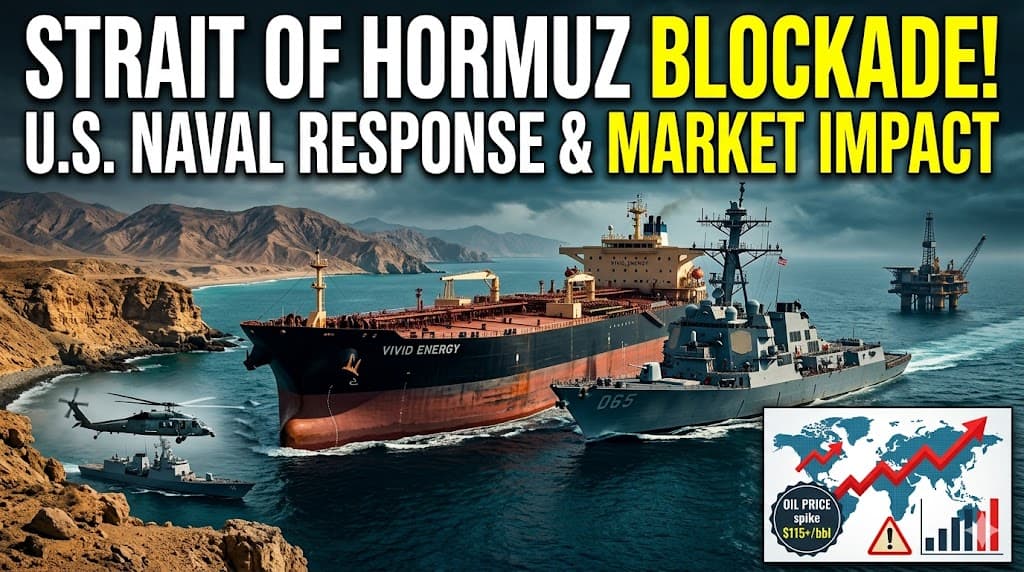
U.S. Naval Blockade of the Strait of Hormuz — Crisis Response and Business Implications
米軍によるホルムズ海峡封鎖のニュースを題材に、地政学リスクへの対応や社内ブリーフィングで使える実践的なビジネス英語を学びます。
Part 1: 読む → 要約する
Step 1: Pre-Reading — ビジネスの文脈で考える (3 min)
あなたは外資系エネルギー関連企業の東京オフィスで働いています。月曜朝のグローバルチームミーティングで、週末に発生した中東情勢の急変について、各地域オフィスと情報共有する場面を想像してください。
Q1: What risks do geopolitical tensions in the Middle East pose to global supply chains? 中東の地政学的緊張が、グローバルなサプライチェーンに与えるリスクについて考えてみましょう。
Q2: How should multinational companies respond when a major shipping route is suddenly disrupted? 主要な海上輸送ルートが突然混乱した場合、多国籍企業はどのように対応すべきでしょうか。
Q3: Why is the Strait of Hormuz considered one of the world's most critical waterways? ホルムズ海峡が世界で最も重要な水路の一つとされる理由を考えてみましょう。
Step 2: First Reading — 全体を把握する (10 min)
以下の英文は、ニュース記事の事実をもとに作成したビジネスシナリオ文書です。実際の職場でこのような文書を読む場面を想像しながら、英文を読み進めましょう。
INTERNAL BRIEFING MEMO
To: Regional Operations Leads, APAC Energy & Logistics Division From: Corporate Risk Management Office Date: April 13, 2026 Subject: Urgent Update on Strait of Hormuz Situation — Immediate Action Required
1. Overview
This memo provides an urgent update following President Trump's announcement on April 12, 2026, that the U.S. Navy will immediately begin blockade operations in the Strait of Hormuz. The announcement came as the two-week ceasefire between the U.S. and Iran appears increasingly fragile, with peace negotiations failing to reach an agreement on ending hostilities.
2. Key Developments
According to the official statement, the U.S. Navy has been instructed to stop and seize any vessel on the high seas that has paid transit fees to Iran. In addition, operations will begin to remove mines that Iran has reportedly placed in the waterway. President Trump stated that NATO allies have offered to cooperate in these operations. He also indicated that Iranian negotiators are expected to return to the table following weekend discussions.
3. Business Impact Assessment
Our preliminary analysis identifies three areas of immediate concern:
- Shipping delays: Clients with cargo scheduled to transit the strait between April 14 and April 30 should be notified within 24 hours. Alternative routing via the Cape of Good Hope must be evaluated.
- Insurance premiums: War-risk insurance rates are expected to rise sharply. The Finance Team should prepare revised cost projections by Wednesday.
- Energy prices: Oil and LNG contracts may face significant volatility. Clients in the manufacturing sector should be contacted proactively.
4. Required Actions
All Regional Leads are requested to:
- Submit a list of affected clients and contracts by end of day April 14.
- Attend the emergency cross-departmental call scheduled for April 15 at 09:00 JST.
- Coordinate with Legal on force majeure clauses in ongoing agreements.
Please treat this matter with the highest priority. Further updates will follow as the situation develops.
Corporate Risk Management Office
Data sourced from: Reuters — "米軍がホルムズ海峡封鎖へ、イランは交渉に戻る見通し トランプ氏表明" (April 12, 2026)
Note: The above is an original business scenario created for learning purposes using publicly available facts. Please read the original article at the link above for the full report.
関連: AI時代こそビジネス英語の発音矯正が必要な理由|外資面接で勝つ学習法 で詳しく解説しています。
Step 3: Comprehension Check — 内容確認 (5 min)
Q1: What action did President Trump announce the U.S. Navy would take immediately? トランプ大統領は米海軍にどのような行動を即時開始させると発表しましたか。
Q2: Under what condition will vessels be seized on the high seas? どのような条件の船舶が公海上で拿捕されるのでしょうか。
Q3: Which allies have reportedly offered to cooperate in the operation? どの同盟国が作戦への協力を申し出ているとされていますか。
Q4: What three business impact areas did the memo identify? メモは事業への影響として、どの3つの領域を特定していますか。
Q5: What is the deadline for Regional Leads to submit a list of affected clients? 地域責任者が影響を受ける顧客リストを提出する期限はいつですか。
関連: AI時代のビジネス英語実践|日本人ビジネスパーソンはAIと英語をどう使うべきか で詳しく解説しています。
Step 4: 30-Second Briefing — 上司に30秒で説明する (10 min)
エレベーターで上司(外資系企業のDirector)にばったり会い、「週末の中東情勢、うちのビジネスへの影響は?」と英語で聞かれました。30秒で要点を伝えましょう。
| 構成要素 | テンプレート |
|---|---|
| 1. 結論 | "The U.S. has announced an immediate naval blockade of the Strait of Hormuz, which could significantly impact our ______________." |
| 2. 背景 | "This follows a breakdown in peace talks between the U.S. and Iran, and the two-week ceasefire is now ______________." |
| 3. 影響 | "We're expecting disruptions in ______________, rising ______________, and volatility in ______________." |
| 4. アクション | "Our team is preparing ______________ by ______________." |
Tip: 元の記事や文書の表現をそのまま使うのではなく、自分の言葉で言い換え(paraphrase)することを意識しましょう。"blockade" は "stopping ships from entering" に、"seize" は "take control of" に置き換えます。このようにシンプルな表現を使うと自然に話せます。
Part 2: 語彙・表現・発音
1. blockade (n.) — 封鎖
- Example: The naval blockade disrupted shipping routes across the region.
- 和訳: その海上封鎖は地域全体の輸送ルートを混乱させました。
- 外資系シーン: 地政学リスクやサプライチェーン会議で "a blockade on exports" のように使われます。
2. seize (v.) — 拿捕する、差し押さえる
- Example: Authorities have the right to seize vessels that violate international sanctions.
- 和訳: 当局は国際制裁に違反する船舶を拿捕する権利を有しています。
- 外資系シーン: 法務・コンプライアンス部門で "seize assets"(資産差し押さえ)という表現でも頻出します。
3. ceasefire (n.) — 停戦
- Example: The two-week ceasefire is now at risk due to failed negotiations.
- 和訳: 交渉決裂により、2週間の停戦が危機にさらされています。
- 外資系シーン: リスク評価レポートやエグゼクティブブリーフィングで使用される重要語彙です。
4. disruption (n.) — 混乱、途絶
- Example: We are preparing for potential disruptions in our supply chain.
- 和訳: 当社はサプライチェーンにおける混乱の可能性に備えています。
- 外資系シーン: "supply chain disruption"(サプライチェーンの途絶)は経営会議の定番フレーズです。
5. volatility (n.) — 変動性、不安定さ
- Example: Oil price volatility remains a major concern for manufacturers.
- 和訳: 原油価格の変動は、製造業者にとって依然として大きな懸念事項です。
- 外資系シーン: 財務・投資部門で "market volatility"(市場のボラティリティ)として日常的に使われます。
Fill-in-the-blank Exercise
次の文の空欄に、上記の語彙から最も適切なものを入れましょう。
- The company is reviewing its contracts due to ongoing ______________ in energy markets.
- Peace negotiators are working hard to maintain the fragile ______________.
- The U.S. Navy will ______________ any vessel that has paid illegal transit fees.
- A major ______________ in shipping could cost the industry billions of dollars.
(解答: 1. volatility, 2. ceasefire, 3. seize, 4. disruption / blockade)
Part 3: 自分の意見を述べる
Topic A: Do you think a naval blockade is an effective tool for international diplomacy? Why or why not? 海上封鎖は国際外交の手段として有効だと思いますか。その理由も含めて述べましょう。
Topic B: How should your company prepare for sudden geopolitical shocks like this one? このような突発的な地政学的ショックに、あなたの会社はどう備えるべきでしょうか。
Topic C: What role should NATO allies play in supporting U.S. military operations in the Middle East? 中東での米軍作戦への支援において、NATO同盟国はどのような役割を果たすべきでしょうか。
| English | 日本語 |
|---|---|
| In my view, ... | 私の考えでは… |
| It depends on several factors, such as ... | …などのいくつかの要因によります |
| From a business perspective, ... | ビジネスの視点から見ると… |
| On the other hand, we should also consider ... | 一方で、…も考慮すべきです |
| I'd argue that ... | 私は…だと主張します |
Part 4: 面接対策 — 外資系で差をつける
Scenario A: "Tell me about a time you had to respond to an unexpected external crisis at work. What did you do?" (突発的な外部危機への対応経験を問う質問です。STAR法で構造化して答えましょう。)
Scenario B: "How do you assess and communicate risk to senior stakeholders under time pressure?" (リスク評価と上級役員への伝達能力を問う質問です。具体的なフレームワークを示せると強いです。)
Scenario C: "If you were leading our APAC risk team today, what would be your top three priorities given the current Middle East situation?" (リーダーシップと状況判断力を問うケース型質問です。優先順位の根拠を明確にしましょう。)
Common Mistakes (NG Patterns)
NG 1: 結論が後回し
- Bad: "Well, there are many things to consider, and actually the situation is complex, so..."
- Good: "My top priority would be client communication, followed by contract review and alternative routing."
- 解説: 外資系面接では結論ファーストが鉄則です。前置きが長いと評価が下がります。
NG 2: 抽象的すぎる回答
- Bad: "I would handle it carefully and communicate well."
- Good: "I would send a client advisory within 24 hours and convene a cross-functional call by day two."
- 解説: 具体的な時間軸・数値・アクションを必ず含めましょう。
NG 3: 受動的な表現の多用
- Bad: "The situation was monitored and decisions were made by the team."
- Good: "I led the monitoring effort and made the final call with my team."
- 解説: 自分の貢献を明確にするため、能動態で "I" を主語にしましょう。
NG 4: 教科書的すぎる英語
- Bad: "I am thinking that it is very important to do a risk assessment."
- Good: "I'd prioritize a rapid risk assessment first."
- 解説: 冗長な表現を避け、ビジネス現場で使われる簡潔な言い回しを選びましょう。
活用のコツ(4 Tips)
- アウトプット重視で取り組む: 読むだけでなく、必ず声に出して発話しましょう。リーディング7割・スピーキング3割ではなく、逆の比率を目指します。
- 自分の業界に引き寄せる: 記事のテーマを自社のビジネスに置き換えて考えると、面接・会議で即使える表現が身につきます。
- 録音→振り返りを習慣化する: 自分の英語を客観的に聞くことで、発音・文法・論理構成の課題が見えてきます。
- 1週間以内に再利用する: 学んだ語彙・表現を別の文脈で3回使うと、長期記憶に定着します。メール・会議・雑談などで積極的に試しましょう。
Bonus: プロナビレッスンでの活用法
レッスン前 (20 min)
- Part 1 Step 1 の Pre-Reading 質問に自分の考えをメモしましょう。
- Step 2 のビジネスメモを音読し、わからない語彙をチェックします。
- Part 2 の語彙5つを例文ごと声に出して読み、定着させましょう。
レッスン中 (25 min)
- コーチと Step 4 の30秒ブリーフィングをロールプレイします(上司役・部下役)。
- Part 3 のディスカッショントピックから1つ選び、2分間のスピーチに挑戦しましょう。
- Part 4 の模擬面接シナリオを1つ実施し、NGパターンを避けられたかフィードバックをもらいます。
レッスン後 (15 min)
- レッスン中の発話を録音で聞き返し、言い換えられる箇所を書き出します。
- Part 2 の Fill-in-the-blank を再度解き、語彙の定着を確認しましょう。
- 翌日、同僚や家族に今回のニュースを英語で30秒で説明してみます。
参考・出典
この記事を書いた人
サイト運営・日本語サポート担当 / AIエンジニア
- ●東京都出身・海外在住13年以上
- ●IT歴36年以上(開発・SEO・AI)
- ●IBM認定 生成AIエンジニア
- ●CEFR B1の英語学習者(今も学習中)
外資系の現場で「英語が話せず評価が伸びない」苦しさを経験し、海外移住後も印刷所で「copy」が通じないような発音の壁に何度もぶつかってきました。今もプロ講師の指導を受けながら学習を続ける一人として、AI時代でも英語で悩む日本人ビジネスパーソンに向けて、現場目線で記事を書いています。日本語でのご相談やお問い合わせも私が担当します。
関連記事
GMO在宅勤務「完全廃止」を英語で説明する|ニュースで学ぶビジネス英語教材
GMOの在宅勤務「完全廃止」ニュースを教材化。英文社内メモの読解、上司への30秒説明、頻出語彙、面接想定問答まで収録し、働き方トレンドを語れるビジネス英語力を鍛えます。無料の英語学習教材です。
2026/7/14
三菱UFJが時価総額首位に|40年ぶりの「金融復権」を英語で語るビジネス英語教材
三菱UFJが時価総額首位、1986年以来40年ぶりの金融復権。このニュースを教材に、市場・金利・株主還元を語るビジネス英語を学習。社内メモ読解、30秒要約、ディスカッション、外資系面接対策まで実践形式で身につく無料教材です。
2026/7/13
Apple対OpenAI訴訟で学ぶビジネス英語|営業秘密と情報管理を英語で語る実践教材
AppleによるOpenAI提訴のニュースを教材化。営業秘密・情報管理をテーマに、社内メモの読解、上司への30秒説明、重要単語、ディスカッション、面接対策まで実践的に学べるビジネス英語学習コンテンツ。外資系で働く日本人ビジネスパーソンの英語力を鍛えます。
2026/7/12
三菱自動車×東大発Highlandersのヒト型ロボット量産提携で学ぶビジネス英語教材
三菱自動車と東大発Highlandersのヒト型ロボット量産提携ニュースで学ぶビジネス英語教材。mass productionなど頻出語彙、30秒ブリーフィング、外資系面接対策まで実践的に学べる英語学習コンテンツです。
2026/7/11
OpenAI「ChatGPT Work」で学ぶビジネス英語|AIエージェント最新ニュース教材
OpenAIの「ChatGPT Work」とGPT-5.6を題材にしたビジネス英語学習教材。社内メモ読解や30秒ブリーフィング、面接対策を通じて、AI時代の職場で使える実践英語を身につけます。
2026/7/10
Grok 4.5で学ぶビジネス英語|AI最新ニュースで鍛える読解と要約力
話題のAIモデル「Grok 4.5」の英語ニュースを教材化。社内ブリーフィングメモの読解、要約、面接対策まで。最新テックニュースで実践的なビジネス英語を学びたい方へ。
2026/7/9