
データセンター建設と住民摩擦から学ぶビジネス英語|外資系で使える実践教材
日本のデータセンター建設と住民摩擦の最新ニュースを題材に、ステークホルダー対応や情報開示に関するビジネス英語を学習。社内メモ読解・30秒ブリーフィング・面接対策まで網羅した英語学習教材です。

AIエンジニア / IT歴36年以上・海外在住13年以上のCEFR B1英語学習者
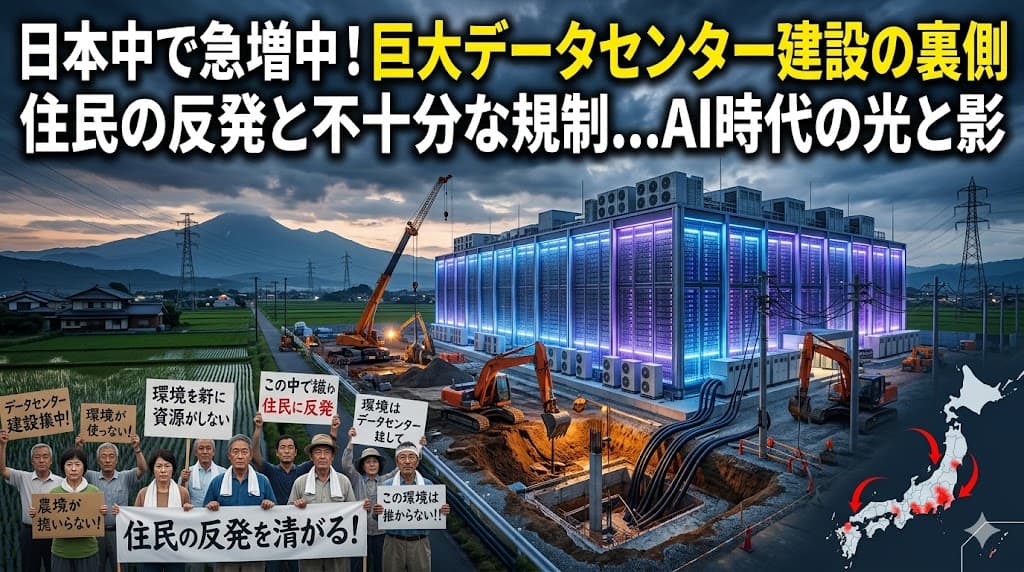
Data Center Boom Meets Community Resistance: Japan's Regulatory Gap in the AI Era
日本各地で広がるデータセンター建設を巡る住民との摩擦をテーマに、外資系で通用するビジネス英語と交渉表現を実践的に学べる教材です。
Part 1: 読む → 要約する
Step 1: Pre-Reading — ビジネスの文脈で考える (3 min)
シーン設定: あなたは外資系IT企業の事業開発チームに所属しています。月曜朝のチームミーティングで、上司から「日本でのデータセンター建設について、最近のニュースを共有してほしい」と依頼されました。会議室に入る前に、3つの問いを考えてみましょう。
Q1: Why do you think demand for data centers is growing rapidly worldwide right now? ヒント:生成AI(generative AI)の普及との関連を考えてみましょう。
Q2: What kind of concerns might residents have when a large data center is built near their homes? ヒント:騒音、熱、景観、安全性などの観点から考えてみましょう。
Q3: If you were a project manager at a foreign company building a data center in Japan, how would you approach the local community? ヒント:説明会、情報開示、信頼構築のアプローチを思い浮かべてください。
Step 2: First Reading — 全体を把握する (10 min)
以下の英文は、ニュース記事の事実をもとに作成したビジネスシナリオ文書です。実際の職場でこのような文書を読む場面を想像しながら、英文を読み進めましょう。
INTERNAL BRIEFING MEMO
To: Asia-Pacific Real Estate Strategy Team From: Tokyo Office, Government Affairs & Stakeholder Relations Date: May 2, 2026 Subject: Update on Japan Data Center Site Disputes — Action Required
1. Purpose This memo provides an internal update on rising community opposition to data center construction in Japan and outlines recommended next steps for our regional pipeline. Leadership review is requested by the end of next week.
2. Key Developments Friction between developers and residents has been spreading across the Tokyo metropolitan area. In Hino City, a major real estate firm is planning three data centers between 50 and 70 meters tall on a 114,000-square-meter former automobile factory site. Roughly 7,600 local signatures have been collected to demand stricter municipal oversight. In Saitama City, a six-story facility 47 meters tall now stands in a residential district, with a similar building under construction next door. Residents living opposite the site report repeatedly raising concerns about heat exhaust and noise, but say the foreign-affiliated operator has responded only with vague statements.
Disputes have also emerged in Akishima and Kodaira within Tokyo, while in Inzai and Shiroi in Chiba Prefecture, opponents have filed lawsuits seeking to revoke development permits.
3. Regulatory Context Japan currently lacks a national framework specifically governing data center siting. The Tokyo Metropolitan Government has issued its own guidelines, but experts cited in public reporting argue that legislation at the national level is necessary. Operators frequently invoke security concerns to justify limited disclosure, which appears to deepen mistrust among nearby residents.
4. Implications for Our Pipeline Three projects in our APAC pipeline are located in dense residential zones. Without a proactive engagement plan, we risk delays, permit challenges, and reputational exposure. Competitors who held only minimal briefings are now facing organized petition campaigns.
5. Recommended Action Items
- Conduct stakeholder mapping for each Japan site by May 30.
- Schedule a minimum of three resident briefing sessions per project.
- Prepare standardized disclosure materials covering noise, heat, and emergency power systems.
- Coordinate with Legal on litigation risk assessment by mid-June.
Please send comments and additions to the Tokyo office before Friday.
Data sourced from: Yomiuri Shimbun Online — "データセンター建設巡り住民と摩擦、圧迫感や騒音心配…立地規制の緩さや秘匿性の高さが要因に" (May 1, 2026)
Note: The above is an original business scenario created for learning purposes using publicly available facts. Please read the original article at the link above for the full report.
関連: AI時代こそビジネス英語の発音矯正が必要な理由|外資面接で勝つ学習法 で詳しく解説しています。
Step 3: Comprehension Check — 内容確認 (5 min)
Q1: What is the main purpose of this internal memo? ヒント:メモの「Purpose」セクションを確認しましょう。
Q2: How many signatures were collected by Hino City residents, and what were they demanding? ヒント:数字と要求内容の両方を答えましょう。
Q3: Why do operators often limit information disclosure about data centers? ヒント:「security」という単語に注目してください。
Q4: What kind of legal action has been taken in Inzai and Shiroi in Chiba Prefecture? ヒント:訴訟の目的(何を求めているか)を含めて答えましょう。
Q5: What are the four recommended action items proposed in this memo? ヒント:箇条書きで4つすべて挙げましょう。
関連: AI時代のビジネス英語実践|日本人ビジネスパーソンはAIと英語をどう使うべきか で詳しく解説しています。
Step 4: 30-Second Briefing — 上司に30秒で説明する (10 min)
シーン設定: エレベーターで上司にばったり会いました。「あの日本のデータセンター問題、どうなってる?」と聞かれました。30秒で要点を説明する必要があります。
| Framework | English Template | Fill in |
|---|---|---|
| Topic | "It's about ___ in Japan." | (例: rising community opposition to data center construction) |
| Key Fact | "For example, in Hino City, residents collected ___ signatures against ___." | (数字 + 何に対して) |
| Cause | "The main issue is that ___." | (原因・背景) |
| Impact | "This could affect our pipeline because ___." | (自社への影響) |
| Action | "We're planning to ___ by ___." | (アクション + 期限) |
Tip: 元の文章をそのまま暗記しようとせず、「自分の言葉で言い換える(paraphrase)」ことを意識しましょう。例えば "friction between developers and residents" は "developers and locals don't get along" のように、シンプルな表現に置き換えても構いません。要点が伝わることが最優先です。
Part 2: 語彙・表現・発音
1. friction (n.) — 摩擦、対立
Example: There is growing friction between the construction company and local residents. Japanese: 建設会社と地元住民の間で摩擦が高まっています。 外資系シーン: チーム間の意見対立や、部署間の調整がうまくいかない状況を説明する際によく使われます。"There's some friction between Sales and Engineering" のように使います。
2. stakeholder (n.) — 利害関係者、ステークホルダー
Example: We need to engage all key stakeholders before launching the project. Japanese: プロジェクトを開始する前に、すべての主要なステークホルダーと連携する必要があります。 外資系シーン: プロジェクトマネジメントで頻出する単語。社内外の関係者を指し、"stakeholder mapping" や "stakeholder engagement" という表現でよく使われます。
3. disclosure (n.) — 情報開示
Example: Limited disclosure of project details has fueled mistrust among residents. Japanese: プロジェクト詳細の情報開示が限定的だったことが、住民の不信感を高めました。 外資系シーン: 法務・コンプライアンス、IR(投資家向け広報)関連の文書でよく登場します。"full disclosure" は「全面開示」、"non-disclosure agreement (NDA)" は「秘密保持契約」です。
4. proactive (adj.) — 先を見越した、能動的な
Example: Without a proactive engagement plan, we risk significant delays. Japanese: 先を見越したエンゲージメント計画がなければ、大幅な遅延のリスクがあります。 外資系シーン: "reactive(後手に回る)" の対義語として使われます。"Be more proactive" は上司からのフィードバックでよく使われる表現です。
5. revoke (v.) — 取り消す、撤回する
Example: Opponents have filed lawsuits seeking to revoke the development permits. Japanese: 反対派は、開発許可の取り消しを求めて訴訟を起こしています。 外資系シーン: 法務関連の文書、契約書、アクセス権限管理などで使われます。"revoke access" は「アクセス権を取り消す」という意味で、IT現場でも頻出します。
Fill-in-the-Blank Exercise
次の文の空欄に、上記の語彙から最も適切な単語を選んで入れましょう(必要に応じて形を変えてください)。
Q1: The company faced criticism for its lack of ___ regarding the safety risks.
Q2: A good project manager always takes a ___ approach rather than waiting for problems to occur.
Q3: The court decided to ___ the building permit due to procedural errors.
Q4: Identifying all ___ early in the project is critical for success.
解答: Q1: disclosure / Q2: proactive / Q3: revoke / Q4: stakeholders
Part 3: 自分の意見を述べる
Discussion Topic A
Question: Should the Japanese government introduce stricter national regulations on data center construction, even if it slows down AI infrastructure investment? ヒント:規制強化のメリット(住民保護)とデメリット(投資鈍化、AI競争力低下)の両方を考えましょう。
Discussion Topic B
Question: How can foreign companies build trust with local communities in Japan when launching infrastructure projects? ヒント:文化的配慮、コミュニケーションの頻度、現地パートナーの活用などを論点に。
Discussion Topic C
Question: In your opinion, what is more important for operators: protecting facility security through limited disclosure, or maintaining transparency with residents? ヒント:両立する方法はあるか、優先順位をどうつけるか考えてみましょう。
Useful Phrases
| English | Japanese |
|---|---|
| In my view, the priority should be ___. | 私の見解では、優先すべきは~です。 |
| There's a trade-off between A and B. | AとBの間にはトレードオフがあります。 |
| I'd argue that ___, because ___. | |
| On the other hand, we should also consider ___. | 一方で、~も考慮すべきです。 |
| A balanced approach would be to ___. | バランスの取れたアプローチとしては~です。 |
Part 4: 面接対策 — 外資系で差をつける
Mock Interview Scenario A
Interviewer: "Tell me about a time when you had to manage opposition or pushback from a key stakeholder. How did you handle it?" ヒント:STAR形式(Situation/Task/Action/Result)で構成すると伝わりやすくなります。
Mock Interview Scenario B
Interviewer: "Our company is planning a major infrastructure project in a sensitive market. What would be your first three steps as a project lead?" ヒント:ステークホルダーマッピング、リスク評価、コミュニケーション計画などの観点から答えましょう。
Mock Interview Scenario C
Interviewer: "How do you balance transparency with confidentiality when communicating with external parties?" ヒント:具体的な経験を1つ挙げて、判断基準を明確に説明しましょう。
4 Common Mistakes (NG Patterns)
❌ NG 1: 抽象的すぎる回答
- Bad: "I always communicate well with stakeholders."
- Good: "In my last project, I scheduled bi-weekly check-ins with three key stakeholders, which reduced escalations by about 40%."
- 解説: 外資系面接では「具体的な数字・行動・結果」が評価されます。抽象論ではなく、ファクトで語りましょう。
❌ NG 2: 過度な謙遜
- Bad: "I'm not really an expert, but I tried my best."
- Good: "I led the initiative, and while there were challenges, we delivered on time and within budget."
- 解説: 日本的な「謙遜文化」は外資系面接では「自信のなさ」と受け取られがちです。事実ベースで貢献を伝えましょう。
❌ NG 3: 受け身の表現ばかり使う
- Bad: "The decision was made by the team and I was told to execute it."
- Good: "After discussing with the team, we decided on the approach, and I took the lead on execution."
- 解説: 受動態(passive voice)を多用すると、主体性のなさが伝わってしまいます。能動態で「自分が何をしたか」を語りましょう。
❌ NG 4: 質問の意図を確認せずに長く話す
- Bad: (質問の意図がよくわからないまま、関係ない内容を3分間話し続ける)
- Good: "Just to clarify — are you asking about my approach to internal stakeholders, or external ones?"
- 解説: 不明点があれば確認するのは「賢い行動」と評価されます。沈黙を恐れず、簡潔な確認を入れましょう。
活用のコツ(3 Tips)
Tip 1: ニュースを「自社の文脈」に翻訳する習慣をつけましょう。 記事を読んだら必ず「これは自分の業界・会社にどう関係するか?」を1分考えてみてください。例えば本記事なら、自社の海外プロジェクトでも同じような住民対応リスクがあるか、という視点で読み替える練習です。
Tip 2: 重要な事実(数字・固有名詞)を3つだけ覚えましょう。 英語で話すときに記事の全体を要約しようとすると詰まります。「Hino City / 7,600 signatures / 50–70 meters tall」のように、3つのキーファクトに絞って覚えれば、30秒のブリーフィングで自然に使えます。
Tip 3: ステークホルダー視点で記事を読み直しましょう。 同じニュースでも「住民」「事業者」「行政」「投資家」の視点で読み返すと、違う論点が見えてきます。外資系では多角的な視点が求められるため、この習慣がディスカッションやプレゼンの質を高めます。
Bonus: プロナビレッスンでの活用法
レッスン前(20min)
- Step 1の事前質問に英語で答えを書き出してみましょう(箇条書きでOK)。
- Step 2のビジネスメモを音読し、つまずいた単語・表現にマークをつけます。
- Part 2の語彙5つを、自分の業務シーンで使うとしたらどんな例文になるか考えておきましょう。
レッスン中(25min)
- コーチに30-Second Briefing(Step 4)を実演し、フィードバックを受けます。
- Part 3のディスカッショントピックから1つ選び、自分の意見を英語で展開する練習をします。
- Part 4の模擬面接シナリオを1つ選び、実際にロールプレイを行います。NG例に陥っていないかチェックしてもらいましょう。
レッスン後(15min)
- レッスン中に指摘された語彙・表現の使い方をノートにまとめます。
- 30-Second Briefingを録音して、自分で聞き返してみましょう。改善点がより明確になります。
- 翌週、同じトピックで「自分の業界に置き換えた版」を1分間スピーチとして準備し、次回レッスンで披露できるようにしておきます。
PronuNaviでは、こうしたニュース教材を使った実践的な英語コーチングを提供しています。ご興味のある方は、ぜひ無料相談にお気軽にお問い合わせください。
参考・出典
この記事を書いた人
サイト運営・日本語サポート担当 / AIエンジニア
- ●東京都出身・海外在住13年以上
- ●IT歴36年以上(開発・SEO・AI)
- ●IBM認定 生成AIエンジニア
- ●CEFR B1の英語学習者(今も学習中)
外資系の現場で「英語が話せず評価が伸びない」苦しさを経験し、海外移住後も印刷所で「copy」が通じないような発音の壁に何度もぶつかってきました。今もプロ講師の指導を受けながら学習を続ける一人として、AI時代でも英語で悩む日本人ビジネスパーソンに向けて、現場目線で記事を書いています。日本語でのご相談やお問い合わせも私が担当します。
関連記事
GMO在宅勤務「完全廃止」を英語で説明する|ニュースで学ぶビジネス英語教材
GMOの在宅勤務「完全廃止」ニュースを教材化。英文社内メモの読解、上司への30秒説明、頻出語彙、面接想定問答まで収録し、働き方トレンドを語れるビジネス英語力を鍛えます。無料の英語学習教材です。
2026/7/14
三菱UFJが時価総額首位に|40年ぶりの「金融復権」を英語で語るビジネス英語教材
三菱UFJが時価総額首位、1986年以来40年ぶりの金融復権。このニュースを教材に、市場・金利・株主還元を語るビジネス英語を学習。社内メモ読解、30秒要約、ディスカッション、外資系面接対策まで実践形式で身につく無料教材です。
2026/7/13

Apple対OpenAI訴訟で学ぶビジネス英語|営業秘密と情報管理を英語で語る実践教材
AppleによるOpenAI提訴のニュースを教材化。営業秘密・情報管理をテーマに、社内メモの読解、上司への30秒説明、重要単語、ディスカッション、面接対策まで実践的に学べるビジネス英語学習コンテンツ。外資系で働く日本人ビジネスパーソンの英語力を鍛えます。
2026/7/12
三菱自動車×東大発Highlandersのヒト型ロボット量産提携で学ぶビジネス英語教材
三菱自動車と東大発Highlandersのヒト型ロボット量産提携ニュースで学ぶビジネス英語教材。mass productionなど頻出語彙、30秒ブリーフィング、外資系面接対策まで実践的に学べる英語学習コンテンツです。
2026/7/11
OpenAI「ChatGPT Work」で学ぶビジネス英語|AIエージェント最新ニュース教材
OpenAIの「ChatGPT Work」とGPT-5.6を題材にしたビジネス英語学習教材。社内メモ読解や30秒ブリーフィング、面接対策を通じて、AI時代の職場で使える実践英語を身につけます。
2026/7/10
Grok 4.5で学ぶビジネス英語|AI最新ニュースで鍛える読解と要約力
話題のAIモデル「Grok 4.5」の英語ニュースを教材化。社内ブリーフィングメモの読解、要約、面接対策まで。最新テックニュースで実践的なビジネス英語を学びたい方へ。
2026/7/9