
磐越道バス事故ニュースで学ぶビジネス英語|リスク管理を語る教材
磐越道のバス事故ニュースを題材にしたビジネス英語教材。リスク管理・コンプライアンスを英語で説明する力を、語彙・要約・面接対策を通じて鍛える英語学習コンテンツです。

AIエンジニア / IT歴36年以上・海外在住13年以上のCEFR B1英語学習者
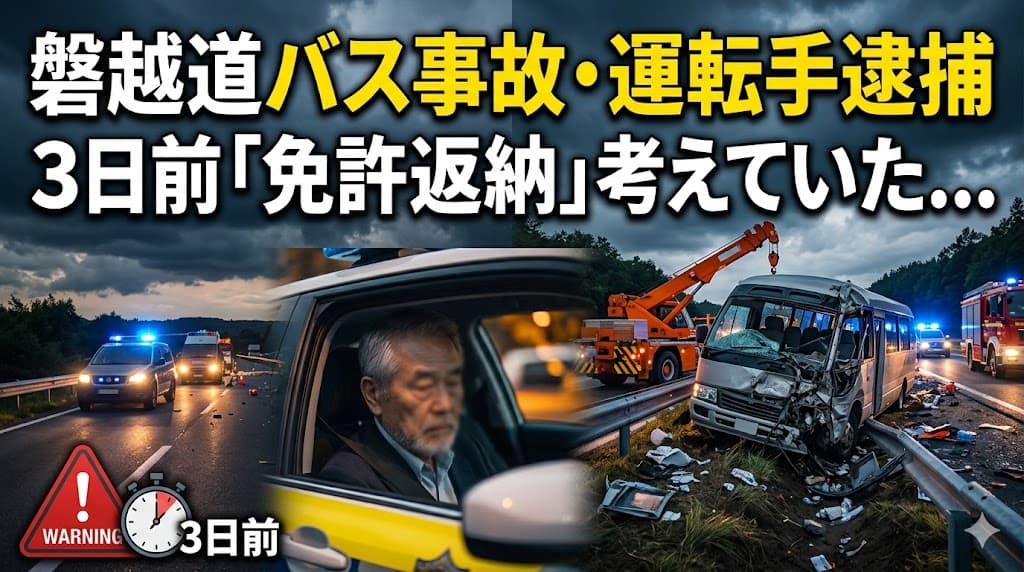
Microbus Driver Arrested After Fatal Banetsu Expressway Crash — Reportedly Considered Surrendering License Three Days Before Accident
福島・磐越道のマイクロバス事故を題材に、運輸リスク・ドライバー管理を英語で議論する力を磨くビジネス英語教材です。
Part 1: 読む → 要約する
Step 1: Pre-Reading — ビジネスの文脈で考える (3 min)
シーン設定: あなたは外資系の運輸・物流関連企業に勤務しています。月曜朝の本社チームミーティングで、海外本社の安全担当マネージャーから「日本で起きた重大なバス事故について、現地のリスク管理上の論点を共有してほしい」と依頼されました。事故の概要、ドライバー管理、企業の責任について、英語で説明する準備をしておく必要があります。
Q1. What kinds of internal controls should a passenger transport company have in place to monitor driver fitness and prior incidents? 運送会社は、ドライバーの健康状態や過去の事故歴をどのように管理すべきだと思いますか?
Q2. When a serious accident occurs, why is it important to distinguish between the driver's individual responsibility and the company's organizational responsibility? 重大事故が起きたとき、運転手個人の責任と会社の組織的責任を区別することが、なぜ重要なのでしょうか?
Q3. In your industry, how is information about safety-critical incidents typically escalated to senior management or overseas headquarters? あなたの業界では、安全に関わる重大事案はどのように経営層や海外本社へ報告されていますか?
Step 2: First Reading — 全体を把握する (10 min)
以下の英文は、ニュース記事の事実をもとに作成したビジネスシナリオ文書です。実際の職場でこのような文書を読む場面を想像しながら、英文を読み進めましょう。
INTERNAL BRIEFING MEMO
To: Regional Risk Committee, APAC From: Yuki Sato, Head of Safety & Compliance, Japan Operations Date: May 9, 2026 Subject: Banetsu Expressway Bus Incident — Preliminary Findings and Action Required
1. Purpose of this memo
This memo summarizes the facts currently available regarding the microbus accident on the Banetsu Expressway in Fukushima Prefecture, and outlines the immediate actions our Japan team is taking to review our own driver-management framework. Given that one of the casualties was a 17-year-old high school student, the case has attracted heavy media attention, and we expect questions from our overseas stakeholders.
2. Summary of facts
On May 8, 2026, FNN Prime Online reported that a microbus accident on the Banetsu Expressway resulted in 21 people killed or injured, including a 17-year-old high school student. The driver of the bus has since been arrested. The bus operator and the school the students attended have presented conflicting accounts of how the trip was arranged.
Further reporting indicates the following points of concern regarding the driver:
- According to the owner of a restaurant the driver regularly visited, the driver had spoken about wanting to surrender his driver's license just three days before the crash.
- The driver had reportedly been involved in several minor accidents over the past two months.
- There are indications that he had been drinking alcohol the night before the incident.
3. Why this matters for our operations
Although our company is not connected to the operator involved, this incident raises questions that any passenger-transport-related business in Japan should address proactively:
- How do we verify that contracted drivers are medically and mentally fit to drive?
- Do we have a documented escalation path when a driver self-reports concerns about their own fitness?
- Are repeated minor incidents being treated as warning signals, or simply logged?
4. Action items
a. Compliance team to complete a review of our driver-screening procedures by May 23, 2026. b. Operations to confirm that all subcontracted bus services have written alcohol-check records for the past 90 days. c. Communications team to prepare a holding statement in case of media inquiries.
Please send any feedback to the Safety & Compliance mailbox by end of business Wednesday.
Data sourced from: FNN Prime Online — "逮捕のマイクロバス運転手 なじみの飲食店で事故3日前「免許返納しようと」 2カ月前から数回事故 前日夜には飲酒か 磐越道21人死傷" (May 8, 2026)
Note: The above is an original business scenario created for learning purposes using publicly available facts. Please read the original article at the link above for the full report.
Step 3: Comprehension Check — 内容確認 (5 min)
Q1. Who is the sender of the memo, and what is their role? メモの送信者は誰で、どのような役職ですか?
Q2. How many people were killed or injured in the Banetsu Expressway accident, and what was notable about one of the victims? 磐越道の事故では何人が死傷し、犠牲者の中で特に注目すべき点は何でしたか?
Q3. What three concerning facts about the driver are mentioned in the memo? メモには、運転手に関するどのような3つの懸念事項が挙げられていますか?
Q4. What is the deadline for the compliance team's review of driver-screening procedures? コンプライアンスチームによるドライバー審査手続きの見直しの期限はいつですか?
Q5. Why does the author argue this incident is relevant even though the company is not directly involved? 自社が直接関係していないにもかかわらず、なぜこの事案が重要だと筆者は主張しているのでしょうか?
Step 4: 30-Second Briefing — 上司に30秒で説明する (10 min)
シーン設定: 月曜の朝、エレベーターで偶然、海外本社から来日中の上司に出会いました。「ところで、君がメールで送ってくれたあの日本のバス事故の件、ざっくりどんな話?」と聞かれました。30秒で要点を伝えましょう。
| 要素 | テンプレート |
|---|---|
| Headline (1文で) | There was a serious microbus accident in Fukushima that left ___ people killed or injured, including ___ . |
| Key concern | What's getting attention is that the driver had ___ , and even talked about ___ just three days before the crash. |
| Why it matters to us | For our business, the question is whether ___ . |
| Next step | We're reviewing our ___ and will report back by ___ . |
ポイント: 上司は記事の細部を聞きたいわけではありません。「事実 → 論点 → 自社への示唆 → 次のアクション」の流れを意識し、メモの英文をそのまま読まずに、自分の言葉で言い換えましょう。例えば "21 people were killed or injured" を "more than twenty casualties" と置き換えるだけでも、英語らしい自然な要約になります。
Part 2: 語彙・表現・発音
1. surrender (v.) — 返納する、引き渡す
- Example: The driver had reportedly considered surrendering his license days before the accident.
- 訳: その運転手は、事故の数日前に免許の返納を検討していたと報じられています。
- 外資系シーン: コンプライアンスや権限移譲の文脈で "surrender access rights" (アクセス権を返上する) のように使われます。
2. escalation (n.) — 上位者への報告、エスカレーション
- Example: We need a clear escalation path for safety-critical incidents.
- 訳: 安全に関わる重大事案については、明確なエスカレーション経路が必要です。
- 外資系シーン: インシデント管理や顧客対応で頻出。"escalate the issue to senior management" (経営層に上げる) のように動詞形でもよく使います。
3. fitness to drive / fit for duty (n. phrase) — 運転適性、業務遂行能力
- Example: How do we verify that contracted drivers are medically and mentally fit to drive?
- 訳: 契約ドライバーが、医学的にも精神的にも運転に適していることを、どのように確認していますか?
- 外資系シーン: HR・労務・安全衛生の領域で "fit for duty assessment" (業務適性評価) という表現が使われます。
4. holding statement (n.) — (詳細判明前の) 暫定的な広報文、つなぎ声明
- Example: Communications team to prepare a holding statement in case of media inquiries.
- 訳: 広報チームは、メディアからの問い合わせに備えて暫定声明を準備します。
- 外資系シーン: クライシスコミュニケーション (危機管理広報) において、事実関係の確認中に出す短い公式コメントを指します。
5. proactively (adv.) — 先回りして、能動的に
- Example: Any passenger-transport-related business in Japan should address these questions proactively.
- 訳: 日本の旅客運送関連ビジネスは、これらの問いに能動的に取り組むべきです。
- 外資系シーン: "We need to act proactively, not reactively." (受け身ではなく先手で動く必要がある) というフレーズは、戦略レビューでよく耳にします。
Fill-in-the-blank Exercise
次の文の空欄に、上の5つの語彙から最も適切なものを選んで入れてください (必要に応じて形を変えてください)。
Q1. Several customers complained, so we had to ___ the issue to the regional director. 複数の顧客から苦情が出たため、その件を地域統括ディレクターに( )する必要がありました。
Q2. Before the press conference, the PR team released a brief ___ to acknowledge the incident. 記者会見の前に、広報チームは事案を認める短い( )を発表しました。
Q3. Our occupational health team conducts a ___ check after every long-term medical leave. 産業保健チームは、長期の傷病休暇のあとに必ず( )のチェックを行います。
Q4. Instead of waiting for complaints, let's identify the risks ___ . 苦情が来るのを待つのではなく、( )リスクを特定しましょう。
Part 3: 自分の意見を述べる
Discussion Topics
Topic A. Some experts argue that drivers should be required to undergo regular cognitive and physical assessments after a certain age, while others say it is age discrimination. What is your view? 一定の年齢を超えたドライバーには、認知・身体機能の定期検査を義務付けるべきだという意見と、それは年齢差別だという意見があります。あなたはどう考えますか?
Topic B. When a contractor (e.g., a bus operator hired by a school) causes an accident, how should responsibility be shared between the contractor and the client organization? 業者 (例: 学校が依頼したバス会社) が事故を起こした場合、業者と発注元の責任はどのように分担されるべきだと思いますか?
Topic C. In your company, do employees feel safe to "self-declare" that they are not fit to work that day (due to fatigue, stress, or alcohol)? What would help them speak up? あなたの会社では、社員は「今日は疲労やストレス、飲酒の影響で業務に適さない」と自己申告しやすい雰囲気がありますか? 言い出しやすくするには何が必要でしょうか?
Useful Phrases
| English | Japanese |
|---|---|
| From a risk-management perspective, ... | リスク管理の観点から言うと…… |
| I can see both sides, but I lean toward ... | 両方の見方は理解できますが、どちらかと言えば……の立場です |
| What concerns me most is ... | 私が一番懸念しているのは……です |
| We shouldn't blame the individual without looking at the system. | 仕組みを見ずに個人を責めるべきではないと思います |
| Could you walk me through how your team handles this? | あなたのチームではどう対応しているか、順を追って教えてもらえますか? |
Part 4: 面接対策 — 外資系で差をつける
Mock Interview Scenarios
Scenario A — Behavioral question (Operations / Logistics roles): "Tell me about a time when you noticed a safety or compliance risk that others had overlooked. What did you do?" 過去に、他の人が見落としていた安全・コンプライアンス上のリスクに気づいた経験を教えてください。あなたはどう行動しましたか?
Scenario B — Situational question (Management roles): "Imagine one of your team members tells you, off the record, that a colleague came to work smelling of alcohol. How do you handle it?" チームメンバーが内緒で、「同僚が酒の匂いをさせて出勤している」とあなたに伝えてきました。どう対応しますか?
Scenario C — Strategic question (Senior / cross-functional roles): "How would you balance the cost of stricter driver-screening procedures against the operational impact of stricter rules?" より厳格なドライバー審査手続きのコストと、厳しい規則がもたらす業務上の影響を、どのようにバランスさせますか?
Common Mistakes (NG Patterns)
NG 1: いきなり結論を言わずに事実だけを並べる
- Bad: "There was an accident in Fukushima. 21 people. The driver was arrested. He drank alcohol."
- Good: "I'd like to share a recent case in Japan that highlights how individual driver issues can escalate into a major incident. In Fukushima, a microbus accident left 21 people killed or injured ..."
- 解説: 外資系の面接や会議では、最初に「これから何の話をするか」を示す一文 (signposting) を入れることで、相手は安心して聞けます。
NG 2: 「I think」を多用しすぎる
- Bad: "I think the driver was bad. I think the company was bad. I think they should change."
- Good: "Based on the reporting, there appear to be issues at both the individual and organizational level. From a risk-management perspective, the company's screening process is the more pressing question."
- 解説: "I think" の連発は自信のなさに聞こえます。"It appears that..." "Based on the data..." "From a ... perspective" など、根拠を示す表現に置き換えましょう。
NG 3: 個人を一方的に非難する
- Bad: "The driver is a terrible person. He should never drive again."
- Good: "While the driver bears clear personal responsibility, the case also raises systemic questions: why didn't earlier minor accidents trigger an internal review?"
- 解説: 外資系では「個人 vs 仕組み」を分けて議論する姿勢が評価されます。感情的な非難は、分析力の不足と受け取られることがあります。
NG 4: 質問された範囲を超えて長く話しすぎる
- Bad: (3分間の独演会で、聞かれていない自社の話まで延々と続ける)
- Good: "That's my short answer — happy to go deeper into any of those points if useful."
- 解説: 1つの回答は60〜90秒が目安です。要点を述べたら一度区切り、相手にボールを返すことで対話のリズムが生まれます。
活用のコツ(3 Tips)
1. 「事実 → 論点 → 自社への示唆」の3段構造で社内共有しよう ニュース記事をそのまま転送するのではなく、「何が起きたか」「何が論点か」「自社にとって何を意味するか」の3点を1本のメールにまとめると、海外オフィスの上司にも価値のある情報共有になります。
2. 「個人の問題」と「仕組みの問題」を必ず分けて語る習慣をつけよう 今回の事故のように、運転手個人の行動だけに注目すると本質を見誤ります。日々の業務でもインシデントが起きたときに「なぜこの人がやったのか」だけでなく「なぜ仕組みが防げなかったのか」を英語で言語化できると、外資系の議論で一段深い貢献ができます。
3. 重大ニュースは「英語の30秒サマリー」を作って音読練習しよう 日本国内の事件・事故・経済ニュースは、海外の同僚との雑談やミーティング冒頭で話題になりがちです。気になったニュースを30秒の英語サマリーに落とし込み、声に出して読む練習を習慣化すると、いざという時に自然に話せるようになります。
Bonus: プロナビレッスンでの活用法
レッスン前 (20 min)
- Step 1の事前質問に対する自分の答えを、英語で2〜3文ずつメモにまとめておきましょう。
- Step 2のビジネスメモを音読し、つまずいた語彙・表現に印をつけておきます。
- Part 2の語彙について、自分の業界で使うとしたらどんな例文になるか、各単語につき1文ずつ作成します。
- Part 4の面接シナリオAについて、自分の経験を当てはめた60秒の回答案を考えておきます。
レッスン中 (25 min)
- まず Step 4 の30秒ブリーフィングを口頭で実施し、コーチからフィードバックを受けます。
- Part 3 のディスカッショントピックから1つを選び、コーチと意見交換を行います。"From a risk-management perspective" など Useful Phrases を意識的に使ってみましょう。
- Part 4 の面接シナリオBまたはCをロールプレイ形式で実施します。コーチが面接官役となり、フォローアップ質問にも答える練習をします。
- NGパターンに自分が当てはまっていないかをチェックしてもらい、具体的な言い換え案を一緒に考えます。
レッスン後 (15 min)
- 録音や録画があれば聞き直し、"I think" の使用回数や signposting 表現の有無を自己チェックします。
- ディスカッションで使えなかった Useful Phrases を1〜2個選び、翌週の社内ミーティングで実際に使う目標を立てましょう。
- Part 2 の Fill-in-the-blank を時間をおいて再度解き、定着度を確認します。
- 自分の業界で同じテーマ (ドライバー・現場作業員・専門職の fitness for duty) に関連するニュースをもう1本探し、同じ枠組みで30秒サマリーを作る課題に取り組みます。
英語の発音や、ビジネスシーンでの伝わりやすい話し方をさらに磨きたい方は、PronuNavi のコーチに気軽にご相談ください。無料カウンセリングも実施しています。
参考・出典
この記事を書いた人
サイト運営・日本語サポート担当 / AIエンジニア
- ●東京都出身・海外在住13年以上
- ●IT歴36年以上(開発・SEO・AI)
- ●IBM認定 生成AIエンジニア
- ●CEFR B1の英語学習者(今も学習中)
外資系の現場で「英語が話せず評価が伸びない」苦しさを経験し、海外移住後も印刷所で「copy」が通じないような発音の壁に何度もぶつかってきました。今もプロ講師の指導を受けながら学習を続ける一人として、AI時代でも英語で悩む日本人ビジネスパーソンに向けて、現場目線で記事を書いています。日本語でのご相談やお問い合わせも私が担当します。
関連記事
GMO在宅勤務「完全廃止」を英語で説明する|ニュースで学ぶビジネス英語教材
GMOの在宅勤務「完全廃止」ニュースを教材化。英文社内メモの読解、上司への30秒説明、頻出語彙、面接想定問答まで収録し、働き方トレンドを語れるビジネス英語力を鍛えます。無料の英語学習教材です。
2026/7/14
三菱UFJが時価総額首位に|40年ぶりの「金融復権」を英語で語るビジネス英語教材
三菱UFJが時価総額首位、1986年以来40年ぶりの金融復権。このニュースを教材に、市場・金利・株主還元を語るビジネス英語を学習。社内メモ読解、30秒要約、ディスカッション、外資系面接対策まで実践形式で身につく無料教材です。
2026/7/13

Apple対OpenAI訴訟で学ぶビジネス英語|営業秘密と情報管理を英語で語る実践教材
AppleによるOpenAI提訴のニュースを教材化。営業秘密・情報管理をテーマに、社内メモの読解、上司への30秒説明、重要単語、ディスカッション、面接対策まで実践的に学べるビジネス英語学習コンテンツ。外資系で働く日本人ビジネスパーソンの英語力を鍛えます。
2026/7/12
三菱自動車×東大発Highlandersのヒト型ロボット量産提携で学ぶビジネス英語教材
三菱自動車と東大発Highlandersのヒト型ロボット量産提携ニュースで学ぶビジネス英語教材。mass productionなど頻出語彙、30秒ブリーフィング、外資系面接対策まで実践的に学べる英語学習コンテンツです。
2026/7/11
OpenAI「ChatGPT Work」で学ぶビジネス英語|AIエージェント最新ニュース教材
OpenAIの「ChatGPT Work」とGPT-5.6を題材にしたビジネス英語学習教材。社内メモ読解や30秒ブリーフィング、面接対策を通じて、AI時代の職場で使える実践英語を身につけます。
2026/7/10
Grok 4.5で学ぶビジネス英語|AI最新ニュースで鍛える読解と要約力
話題のAIモデル「Grok 4.5」の英語ニュースを教材化。社内ブリーフィングメモの読解、要約、面接対策まで。最新テックニュースで実践的なビジネス英語を学びたい方へ。
2026/7/9