
AIグラスと「撮影中」サイン|プライバシーで学ぶビジネス英語
AIグラスの「撮影中」サインとプライバシー問題を題材にしたビジネス英語学習教材。社内メモの読解、要約、ディスカッション、面接対策を通じて、実務で使える英語力と語彙を効率よく習得できます。


AIエンジニア / IT歴36年以上・海外在住13年以上のCEFR B1英語学習者
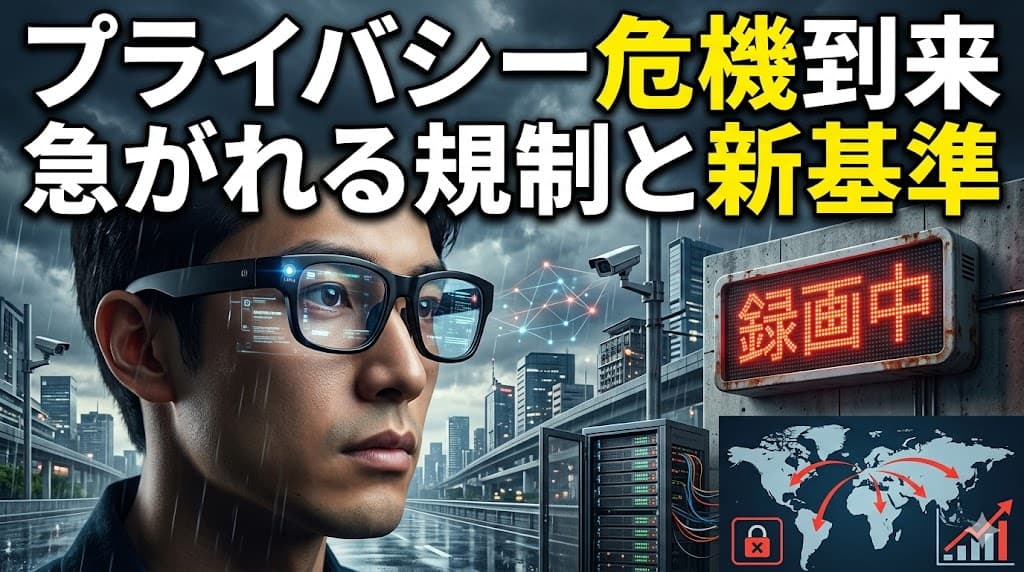
AI Glasses & the "Recording" Sign: Why Privacy Standards Can't Wait
急速に普及するAIグラスの盗撮リスクと業界標準の課題を題材に、実際の社内メモを読みながら、説明・提案・意見表明に使えるビジネス英語表現を身につけます。
Part 1: 読む → 要約する
Step 1: Pre-Reading — ビジネスの文脈で考える (3 min)
Scene: 外資系メーカーの製品企画チームの定例ミーティング。新しいウェアラブル端末のトレンドが議題に上がり、リーダーが「最近話題のAIグラス、プライバシー面でどう思う?」とチームに意見を求めています。あなたは自分の考えを英語で共有する立場です。
Q1. Have you ever felt uncomfortable because someone might be filming you in public? How did you react? ヒント:公共の場で「撮られているかも」と感じた経験を、状況とそのときの気持ちを添えて話してみましょう。
Q2. Camera-equipped glasses look almost the same as ordinary glasses. What new risks does this create for the people around the wearer? ヒント:「見た目で見分けがつかない」点が、なぜリスクになるのかを考えてみましょう。
Q3. When a new technology raises safety concerns, who should take responsibility — the makers, the government, or industry groups? ヒント:責任の所在(開発企業・政府・業界団体)について、自分の立場を一つ選んで理由を述べてみましょう。
Step 2: First Reading — 全体を把握する (10 min)
以下の英文は、ニュース記事の事実をもとに作成したビジネスシナリオ文書です。実際の職場でこのような文書を読む場面を想像しながら、英文を読み進めましょう。
INTERNAL BRIEFING MEMO
To: Product Planning & Compliance Teams From: Risa Tanaka, Director of Product Strategy Date: May 30, 2026 Subject: Update on AI Smart Glasses Privacy Risks — Action Required Before Q3 Launch
1. Background
As many of you know, AI-powered smart glasses are moving quickly from a niche product into the mainstream. Meta Platforms currently leads this category with its Ray-Ban line, which went on sale in Japan in late May. These devices let users take photos, record video, and ask an AI assistant questions — all by voice. Because the frames look almost identical to ordinary glasses, the people nearby often cannot tell whether a camera is running. This is the core of the problem we need to address.
2. The Risk We Are Watching
The biggest concern is covert filming. To warn bystanders, makers place a small LED light on the frame: it blinks when a photo is taken and stays lit during video. Meta has even added tamper-detection technology, so the glasses stop working if a user tries to cover the light with tape. However, these signals are easy to miss in daily life, and reports last year showed that some hobbyists disabled the light for a small fee. In short, the current safeguards depend too much on the goodwill of the wearer.
3. Why This Matters for Us
The deeper problem is that each maker designs its own "recording" sign. There is no shared, industry-wide standard, so ordinary people have no reliable way to know what to look for. If our company enters this market without a clear privacy position, we face reputational and legal exposure.
4. Recommended Actions
- Compliance to draft an internal privacy checklist by June 20.
- Product Planning to assess whether an industry body, such as a camera-industry association, could help create a unified "recording" indicator.
- Both teams to prepare a short proposal for the executive committee by early July.
Please send questions to my team before our next sync. Thank you for treating this as a priority.
Data sourced from: 日本経済新聞 — "AI眼鏡、盗撮防止は難題 「撮影中」サインの業界統一欠かせず" (2026年5月30日)
Note: The above is an original business scenario created for learning purposes using publicly available facts. Please read the original article at the link above for the full report.
Step 3: Comprehension Check — 内容確認 (5 min)
Q1. According to the memo, which company currently leads the AI smart glasses market, and what product line does it sell? ヒント:第1段落(Background)に企業名と製品ラインが書かれています。
Q2. Why is it difficult for bystanders to know when they are being filmed? ヒント:「見た目」と「合図(サイン)」の二つの理由を探しましょう。
Q3. What does the LED light do when a photo is taken, and what does it do during video recording? ヒント:第2段落(The Risk)に動作の違いが説明されています。
Q4. What is "tamper-detection technology," and what does it prevent? ヒント:テープでLEDを隠そうとした場合にどうなるかを確認しましょう。
Q5. What is the central problem the memo identifies about the "recording" sign across different makers? ヒント:第3段落(Why This Matters)のキーワードは "standard" です。
Step 4: 30-Second Briefing — 上司に30秒で説明する (10 min)
Scene: エレベーターで部長に偶然会いました。「さっきのメモ読んだよ。要するにどういうこと?」と聞かれ、30秒で要点を伝える必要があります。
| 要素 | 英語テンプレート | あなたの回答 |
|---|---|---|
| Topic(話題) | "The memo is about ______." | |
| Core issue(核心の課題) | "The main problem is that ______." | |
| Current measure(現状の対策) | "Right now, makers use ______ to warn people, but ______." | |
| Recommendation(提案) | "We're suggesting that ______." | |
| Next step(次の一手) | "The next step is to ______ by ______." |
Tip: 元の文をそのまま暗記するのではなく、自分の言葉で言い換える(paraphrase)練習をしましょう。例えば "covert filming" を "filming people without them knowing" と説明できれば、語彙が出てこないときも会話を止めずに済みます。言い換える力こそ、実際のビジネス英語で最も役立つスキルです。
Part 2: 語彙・表現・発音
1. covert (adj.) — 隠れた、秘密の
- Example: The new device makes covert filming easier because the camera is almost invisible.
- 訳: その新しい端末はカメラがほぼ見えないため、隠し撮りを容易にしてしまいます。
- 外資系シーン: リスク評価のミーティングで "We need to assess the risk of covert data collection." のように、表に出にくいリスクを指摘する場面で使われます。
2. safeguard (n.) — 保護策、安全対策
- Example: The LED light is a safeguard, but it only works if people actually notice it.
- 訳: そのLEDライトは安全対策ですが、人々が実際に気づいて初めて機能します。
- 外資系シーン: コンプライアンス担当が "What safeguards do we have in place?" と既存の保護策を確認するときに頻出します。
3. standard (n.) — 標準、基準
- Example: Without a common industry standard, every maker uses a different recording sign.
- 訳: 共通の業界標準がないため、メーカーごとに異なる撮影サインを使っています。
- 外資系シーン: "Does this comply with the global standard?" のように、製品やプロセスが基準を満たすかを問う場面で使われます。
4. exposure (n.) — (リスクなどに)さらされること、エクスポージャー
- Example: Entering the market too early could increase our legal exposure.
- 訳: 市場に早く参入しすぎると、当社の法的リスクが高まる可能性があります。
- 外資系シーン: 経営会議で "We want to limit our reputational exposure." のように、企業が負うリスクの大きさを語るときに使われます。
5. unified (adj.) — 統一された
- Example: Industry groups should agree on a unified indicator for recording.
- 訳: 業界団体は撮影を示す統一された表示について合意すべきです。
- 外資系シーン: "Let's move toward a unified process across all regions." のように、バラバラなものを一つにまとめる提案で使われます。
Fill-in-the-blank exercise
次の英文の空欄に、上の語彙から最も適切なものを入れましょう。
- The camera blends into the frame, which makes _________ filming a serious concern. (隠れた)
- Each company uses its own sign, so we badly need a common industry _________. (基準)
- A warning light is a useful _________, but only if bystanders notice it. (保護策)
- Launching without a clear privacy policy would raise our legal _________. (さらされること)
Part 3: 自分の意見を述べる
Discussion Topic A
Q. Do you think the responsibility for privacy should rest mainly with the device makers, or with the users who wear the glasses? ヒント:「開発企業の責任」と「使用者の責任」のどちらを重視するか、立場を決めて理由を二つ挙げてみましょう。
Discussion Topic B
Q. A unified "recording" sign across all makers has been proposed. What are the benefits, and what challenges might slow it down? ヒント:メリット(消費者が分かりやすい等)と障壁(各社の利害、技術差等)の両面から述べましょう。
Discussion Topic C
Q. Imagine your company is deciding whether to develop AI glasses. Would you recommend entering this market now, or waiting? Why? ヒント:ビジネス機会とリスクを天秤にかけ、"I would recommend..." の形で結論から述べましょう。
Useful phrases
| English | Japanese |
|---|---|
| In my view, the responsibility lies mainly with... | 私の考えでは、責任は主に〜にあります |
| On the one hand... on the other hand... | 一方では〜、他方では〜 |
| The main benefit would be... | 主な利点は〜でしょう |
| A potential drawback is that... | 考えられる欠点は〜という点です |
| Weighing the risks, I would recommend... | リスクを考慮すると、私は〜を勧めます |
Part 4: 面接対策 — 外資系で差をつける
Mock Interview A
Interviewer: "Tell me about a recent technology trend you find interesting, and explain its business impact." ヒント:AIグラスを例に、「何が新しいか」→「ビジネスへの影響」→「自分の見解」の順で1分程度にまとめましょう。
Mock Interview B
Interviewer: "Our products sometimes raise privacy concerns. How would you balance innovation with user trust?" ヒント:「両立は可能」という立場を取り、具体策(透明性・業界標準への参加など)を一つ示すと説得力が増します。
Mock Interview C
Interviewer: "Describe a time you had to convince stakeholders to act on a risk before it became a real problem." ヒント:STAR(Situation・Task・Action・Result)の流れで、リスクを先回りして対応した経験を語りましょう。
Common Mistakes (NG Patterns)
NG 1:結論を最後まで言わない
- ❌ Bad: "Well, there are many points, and it depends, and maybe... it is difficult to say."
- ⭕ Good: "I would recommend waiting, for two reasons. First,... Second,..."
- 外資系の面接では、結論を先に述べる(PREP法)ことが高く評価されます。前置きが長いと自信がないと受け取られます。
NG 2:難しい単語を無理に使って詰まる
- ❌ Bad: "The... um... surreptitious... clandestine... acquisition of..."
- ⭕ Good: "The risk of recording people without their permission..."
- 知らない単語を探して沈黙するより、平易な言葉で言い換える方が「実務で使える英語」と評価されます。
NG 3:意見に理由や具体例がない
- ❌ Bad: "I think privacy is important. That's all."
- ⭕ Good: "Privacy matters because, without trust, customers won't adopt the product — as we saw with the recording-light issue."
- 主張には必ず「なぜなら」と具体例を添えましょう。理由のない意見は印象に残りません。
NG 4:質問の意図とずれた回答をする
- ❌ Bad:("How would you balance...?" に対し)"AI glasses can take photos and videos."
- ⭕ Good: "To balance the two, I'd be transparent with users and support an industry-wide standard."
- 機能の説明ではなく「どうバランスを取るか」という問いに正面から答えることが大切です。
活用のコツ(3 Tips)
1. ニュースの「論点」を3点で整理する習慣をつけましょう。 記事を読んだら「リスクは何か・現状の対策は何か・誰が動くべきか」の3点を自分の言葉で英語化しておくと、会議や雑談でいつでも要点を共有できます。
2. 自社の製品・業務に「もし当てはめたら」と問いかけてみましょう。 AIグラスの事例を「自社が新技術を出すならどんなリスク管理が必要か」と置き換えて考えると、ニュースが他人事ではなく実務の判断材料になります。
3. 専門用語は必ず「やさしい言い換え」とセットで覚えましょう。 "covert filming" を "filming people without their permission" のように言い換えられるようにしておくと、単語が出てこない場面でも会話を止めずに伝え切る力が身につきます。
Bonus: プロナビレッスンでの活用法
レッスン前(20分) Part 1のStep 1〜3に取り組み、英文を音読しておきます。分からなかった語彙はPart 2で確認し、Step 3の内容確認の答えを自分なりに用意しておきましょう。準備した状態で臨むことで、レッスン本番を「話す練習」に集中して使えます。
レッスン中(25分) Step 4の30秒ブリーフィングをコーチ相手に実演し、その場で言い換え(paraphrase)のフィードバックを受けます。続いてPart 3のディスカッションでコーチと意見を交わし、Part 4の面接質問に答えて、結論の出し方や発音をその場で修正してもらいましょう。
レッスン後(15分) レッスンで指摘された言い換え表現と発音のポイントを振り返り、Step 4のブリーフィングをもう一度声に出して録音します。最初の録音と比べることで、改善点が明確になり、次回への課題が見えてきます。
PronuNaviでは、こうした教材を使った学習の進め方について無料相談を受け付けています。気になる方はお気軽にお問い合わせください。
参考・出典
この記事を書いた人
サイト運営・日本語サポート担当 / AIエンジニア
- ●東京都出身・海外在住13年以上
- ●IT歴36年以上(開発・SEO・AI)
- ●IBM認定 生成AIエンジニア
- ●CEFR B1の英語学習者(今も学習中)
外資系の現場で「英語が話せず評価が伸びない」苦しさを経験し、海外移住後も印刷所で「copy」が通じないような発音の壁に何度もぶつかってきました。今もプロ講師の指導を受けながら学習を続ける一人として、AI時代でも英語で悩む日本人ビジネスパーソンに向けて、現場目線で記事を書いています。日本語でのご相談やお問い合わせも私が担当します。
関連記事
GMO在宅勤務「完全廃止」を英語で説明する|ニュースで学ぶビジネス英語教材
GMOの在宅勤務「完全廃止」ニュースを教材化。英文社内メモの読解、上司への30秒説明、頻出語彙、面接想定問答まで収録し、働き方トレンドを語れるビジネス英語力を鍛えます。無料の英語学習教材です。
2026/7/14
三菱UFJが時価総額首位に|40年ぶりの「金融復権」を英語で語るビジネス英語教材
三菱UFJが時価総額首位、1986年以来40年ぶりの金融復権。このニュースを教材に、市場・金利・株主還元を語るビジネス英語を学習。社内メモ読解、30秒要約、ディスカッション、外資系面接対策まで実践形式で身につく無料教材です。
2026/7/13

Apple対OpenAI訴訟で学ぶビジネス英語|営業秘密と情報管理を英語で語る実践教材
AppleによるOpenAI提訴のニュースを教材化。営業秘密・情報管理をテーマに、社内メモの読解、上司への30秒説明、重要単語、ディスカッション、面接対策まで実践的に学べるビジネス英語学習コンテンツ。外資系で働く日本人ビジネスパーソンの英語力を鍛えます。
2026/7/12
三菱自動車×東大発Highlandersのヒト型ロボット量産提携で学ぶビジネス英語教材
三菱自動車と東大発Highlandersのヒト型ロボット量産提携ニュースで学ぶビジネス英語教材。mass productionなど頻出語彙、30秒ブリーフィング、外資系面接対策まで実践的に学べる英語学習コンテンツです。
2026/7/11

OpenAI「ChatGPT Work」で学ぶビジネス英語|AIエージェント最新ニュース教材
OpenAIの「ChatGPT Work」とGPT-5.6を題材にしたビジネス英語学習教材。社内メモ読解や30秒ブリーフィング、面接対策を通じて、AI時代の職場で使える実践英語を身につけます。
2026/7/10
Grok 4.5で学ぶビジネス英語|AI最新ニュースで鍛える読解と要約力
話題のAIモデル「Grok 4.5」の英語ニュースを教材化。社内ブリーフィングメモの読解、要約、面接対策まで。最新テックニュースで実践的なビジネス英語を学びたい方へ。
2026/7/9